About Me

So far, I write about what ever holds my attention the most stubbornly. For the most part we're just doing reviews, but occasionally other things will pop-up as well.

Featured Post

Black Reconstruction by W. E. B. Du Bois

My first post here is of course a Goodreads review, but one of my favorite and the only one that won't show-up on the book's entry p...

Friday, May 30, 2025

My Review of Basin Street Revue (1956) directed by Joseph Kohn

 I first watched this as a kid with my grandmother many years ago, and decided to give it a rewatch now. This was a very good variety show of multiple jazz and early R&B artists from the 1950. This was filmed at the Apollo Theater and the energy is classic of the venue. Among the music artists: Sarah Vaughan was obviously the highlight—though I did enjoy Amos Milburn’s performance as well. 

There were also non-music performances like the tap-dance performances and the vaudeville act of Nipsy Russell and Mantan Moreland (an act that was very common of the minstrel and vaudeville era). If you are interested in old-time entertainment then this is a good show to watch with some of the best artist from the generation change-over from jazz to R&B.

My Review of The Queen of Basketball (2021) directed by Ben Proudfoot

 With all the…”rage” over women’s basketball now, it can be easy to forget about the early days of women in the sport. Certainly in the pre-Title IX era when American women were given next to no support to participate in any kind of athletic competition. The late-Lucy Harris emerged as the dominate player in women’s basketball on the eve of Title IX and this documentary shined a light on her achievements and honored her before she passed away. It is a short documentary, but still a very good one and the best one I have seen produced by the NYT.

Sunday, May 25, 2025

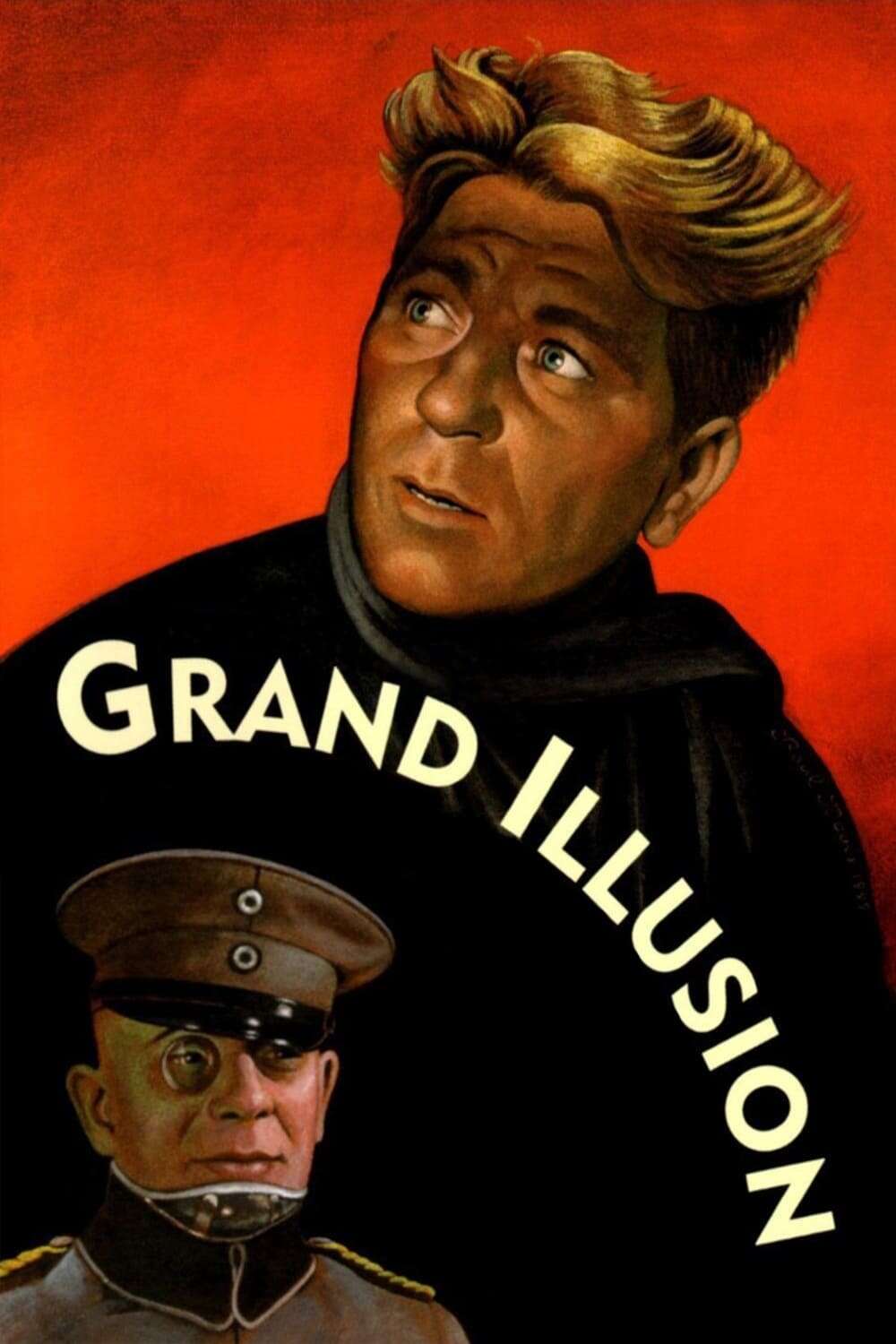
My Review of Grand Illusion (1937) directed by Jean Renoir


This film was Jean Renoir's first warning of the coming storm that was getting ready to be unleashed on the world (World War II). The film is about French prisoners of way being held (along with other Allied soldiers) during the First World War before the entry of the United States into the conflict. It details specifically a group of prisoners trying to escape. What the movie really does is capture Europe in transition between the old class-hierarchy of the 19th century and the new (and more nationally-motivated) class-structure of the 20th century (though even that had its beginning in the 19th century). While high-ranking officer POWs were treated almost like guest than enemy combatants, officers who were non-aristocrats or not as highly-ranked could expect no special treatment—though some are treated nicer by German guards who come from the same social-rank. 

While Renoir thought of WWI as "almost a gentlemen's war" and is very idealistic hopeful in this film overall, ho does not shy away from showing the class-stratification and casual bigotry of the soldiers. This is obvious in the treatment of the Jewish-French soldier Rosenthal who despite being from the French aristocracy, is still treated with casual antisemitism (one has to remember that WWI was barely a generation removed from the Dreyfus Affair (said Alfred Dreyfus would serve as an officer during the whole of WWI)). The treatment of the Colonial African-French officer is possibly worse as most of the other characters actively ignore him when he tries to talk to them. For all the talk of brotherhood by the prisoners, some barriers just ain't getting torn down. 

Jean Gabin does a great job in this movie to show why he was the white 1930s French equivalent of Denzel Washington and his character is every bit the hardness of the early 20th century as Eric von Stroheim's Prussian officer antagonist is of the 19th century and the old European aristocracy. While von Stroheim's politics were closer to Renoir's, the way he plays the head commander of the POW camps is an early proto-type of Christoph Waltz's character in Inglorious Bastards. The film's climax serves to emphasize the end of the prewar world and the beginning of the European interregnum. Many of the hopes that the soldiers had for peace would only last for 15 to 20 years. 

"War is a great illusion whose hopes are unfulfilled and promises never kept."

Friday, May 23, 2025

My Review of Festival (1967) directed by Murray Lerner


 This documentary/concert film marks the beginning of the era of Baby-Boomer concert film genre that ran into the mid-70s. This film shows the genesis of the popular image of the counterculture movement in the United States. It is based around the Newport Folk Festival between the years of 1963-1966. You have an assorted mix of Upper-Class New Englanders, Left-wing intellectuals, hipsters, and the beginning of the more drug-induced spin-off of the hipsters: the hippies. The editing of this film by Howard Alk points the way to the more extreme-styles of the Monterey Pop film of the following year, but we are not all the way there yet. It does give you a diverse, if uneven, sample of the music of the folk scene of the mid-1960s.

This may be one of the most diverse festival films—musically—of the era as you get not only "folk" music, but the Blues, Country, Bluegrass, Gospel, folk-rock and all the subgenres of those styles that were around at the time. I can appreciate that it had something for everyone and musicians who would not interact with each other anywhere else would meet at Newport, Rhode Island. Yes, a certain eccentric Minnesotan was the star attraction during this era in folk circles, but the film does try to balance him out and share equal time to performers who obvious were not as famous or worshipped. While this film can get lost after the concert films that came after it—it still is an interesting watch as a time capsule or as look at how much more political these functions were before the LSD started flowing.

Wednesday, May 21, 2025

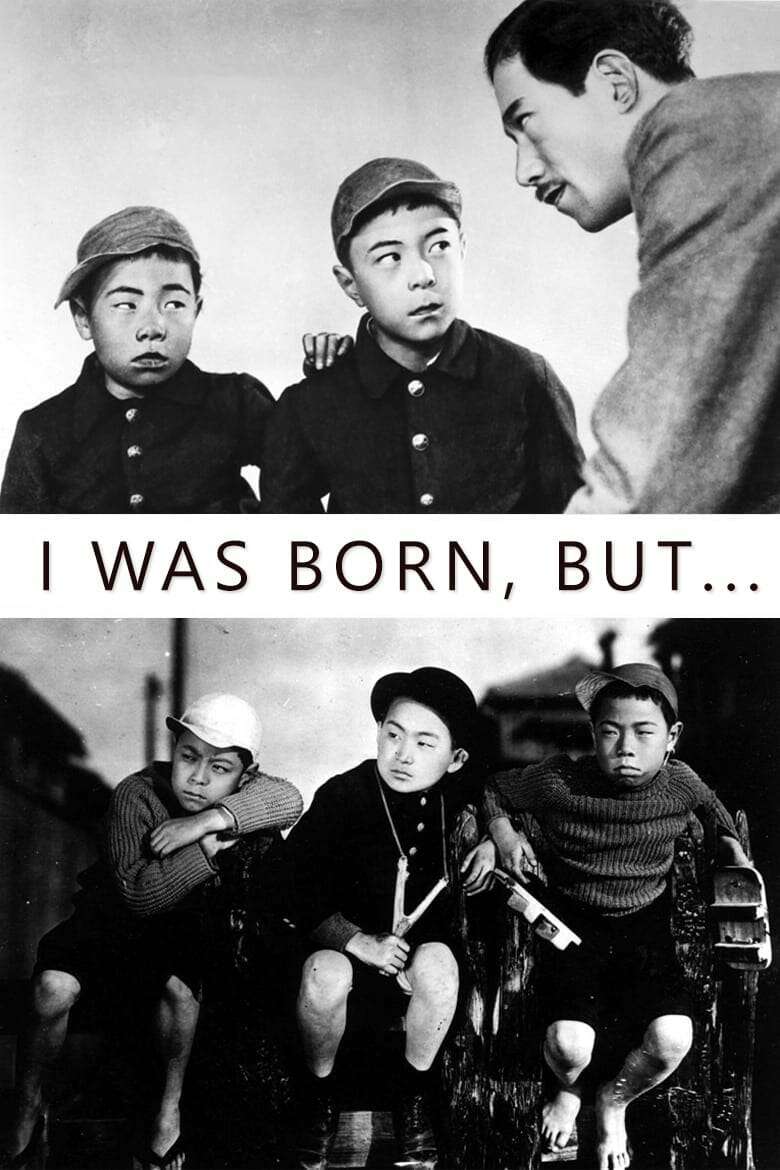
My Review of I Was Born, But...(1932) directed by Yasujiro Ozu


 The most celebrated of Ozu's prewar comedies and it is one of his most pessimistic films. Two boys move with their dad to a new neighborhood and as they make their way up the social ladder, they learn that their dad is a lacky for his boss—who just happens to be the father of one of their new friends who they are fighting for top dog status with. The first part of the movie is a silly comedy where the two brothers really use all the crazy boys-tricks to deal with a bully and climb up their elementary school social circle. The second half is the more dark, bittersweet part of the movie where the boys realize the true nature of their father's position in the company where he works and it wakes them up to how the world of adults work and how what their daddy says and what he does can be so different.

This has the beginning of a lot of the Ozu trademark shots. We do have a lot more tracking shots and not every shot is three feet above the ground, but it is certainly being refined. We don't have the full on shots of every person talking yet, but it is getting close. Young Mitsuko Yoshikawa as the mom is very fine-looking.

My Review of A Straightforward Boy (1929) directed by Yasujiro Ozu

This is a 14 minute excerpt of Ozu’s first of his kids comedy films. It is basically his adaptation of the short story The Ransom of Red Chief by O. Henry. It plays into what you expect of the screwball comedies of the era and looks very unlike an Ozu film as we think of them today.

Monday, May 19, 2025

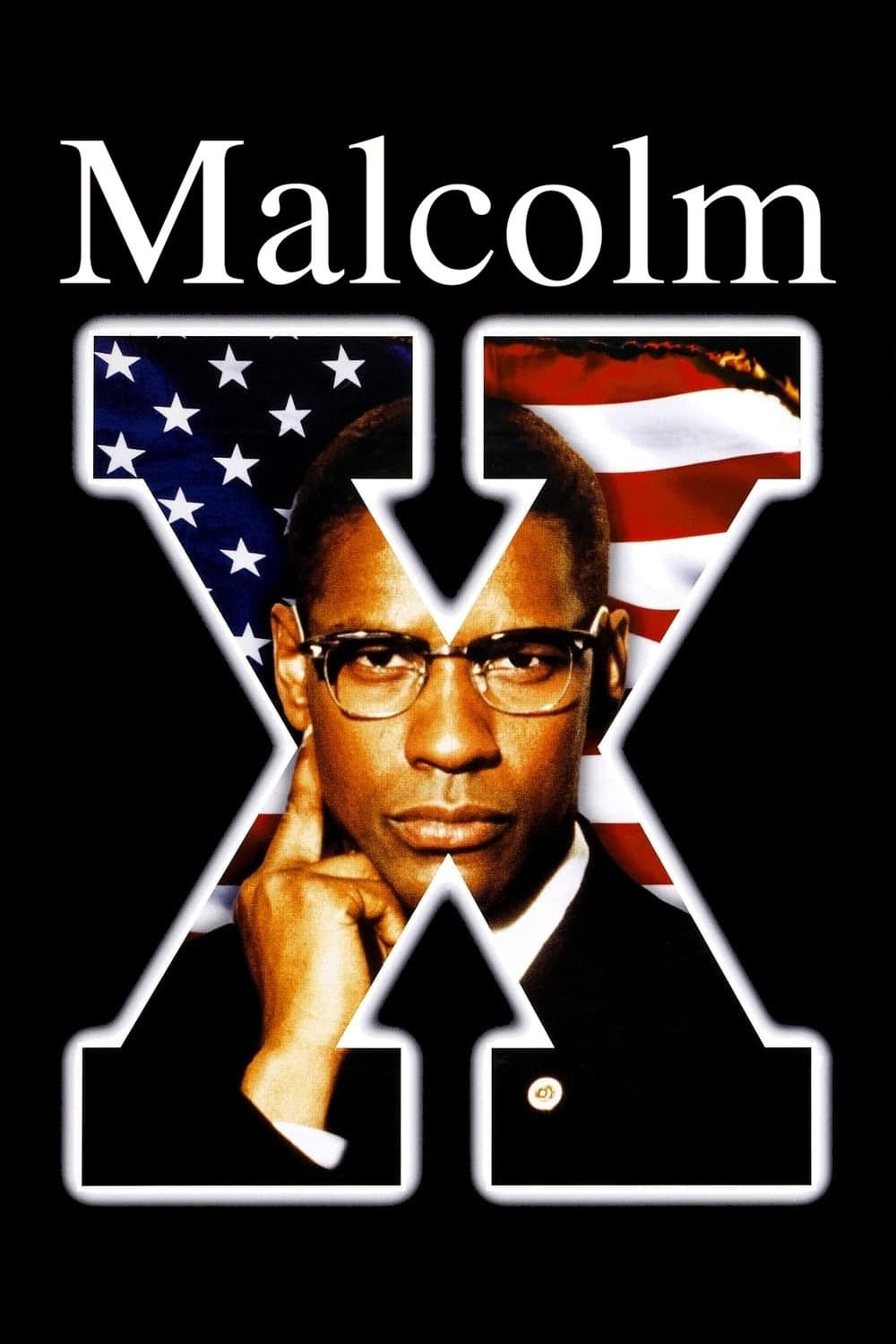
My Review of Malcolm X (1992) directed by Spike Lee


 Happy 100th Birthday to Omaha, Nebraska's own El-Hajj Malik el-Shabazz, better known to the world as Malcolm X. Few figures have become so influential without being able to be co-opted by the establishment—though it is not because folks haven't tried. James Baldwin details in his book The Devil Finds Work how Hollywood tried to get him to write a watered-down screenplay for an aborted adaptation of X's autobiography which thankfully Baldwin pulled out of. In 1991 Hollywood tried to do another adaptation with Norman Jewison at the helm, but Spike Lee caught wind of this and was able to take control of the project and make the greatest biographical film of all time and possibly Denzel Washington's greatest starring role.

This movie saw the last team-up of Spike Lee and his legendary cinematographer Eric Dickerson and it is their crowning achievement. All of the Lee/Dickerson signature shots are here in top form and all set pieces are absolutely beautiful. Nearly the whole 40 Acers stable of actors & crew. Ruth E. Carter wardrobe design is so accurate that you would've thought she was there. We get supporting actors like Delroy Lindo who has been keeping busy in 2025 is shows that he has been an expert character actor for a long time. Angela Basset plays Betty Shabazz like she was born for the role. Hell, even Spike Lee does a good job and shows why he is the best acting-director. But obviously there is one actor who shines above the rest...

Denzel Washington was no rookie before this film and this not his first Spike Lee film, but I still don't think any role he has played has been better and more important than this. Honestly, I don't know who else could've rise to the occasion to play this role other than Malcolm X himself. Quite a few people have played Malcom X in movies and television since Denzel, but none get the role as dead-on accurate as he does. He said that he spent hundreds of hours listening to as many speeches and footage of Malcolm that was available and it shows. I don't know of anyone in a film biography more take on a role so completely as Denzel Washington did and he truly makes me forget that I am watching an actor whenever I watch this movie.

I don't know what else is there to be said. Spike Lee made the best biographical film adapted from the greatest autobiography ever written. It is a three-act epic of the life of a man who has influenced countless people (including myself) into a more in-depth pride of themselves and their Blackness. I don't know what else to say but to quote from Ossie Davis' eulogy of him: 

"Malcolm was our manhood, our living, black manhood! This was his meaning to his people. And, in honoring him, we honor the best in ourselves...However we may have differed with him – or with each other about him and his value as a man – let his going from us serve only to bring us together, now."