About Me

So far, I write about what ever holds my attention the most stubbornly. For the most part we're just doing reviews, but occasionally other things will pop-up as well.

Featured Post

Black Reconstruction by W. E. B. Du Bois

My first post here is of course a Goodreads review, but one of my favorite and the only one that won't show-up on the book's entry p...

Showing posts with label Movies. Show all posts

Tuesday, July 29, 2025

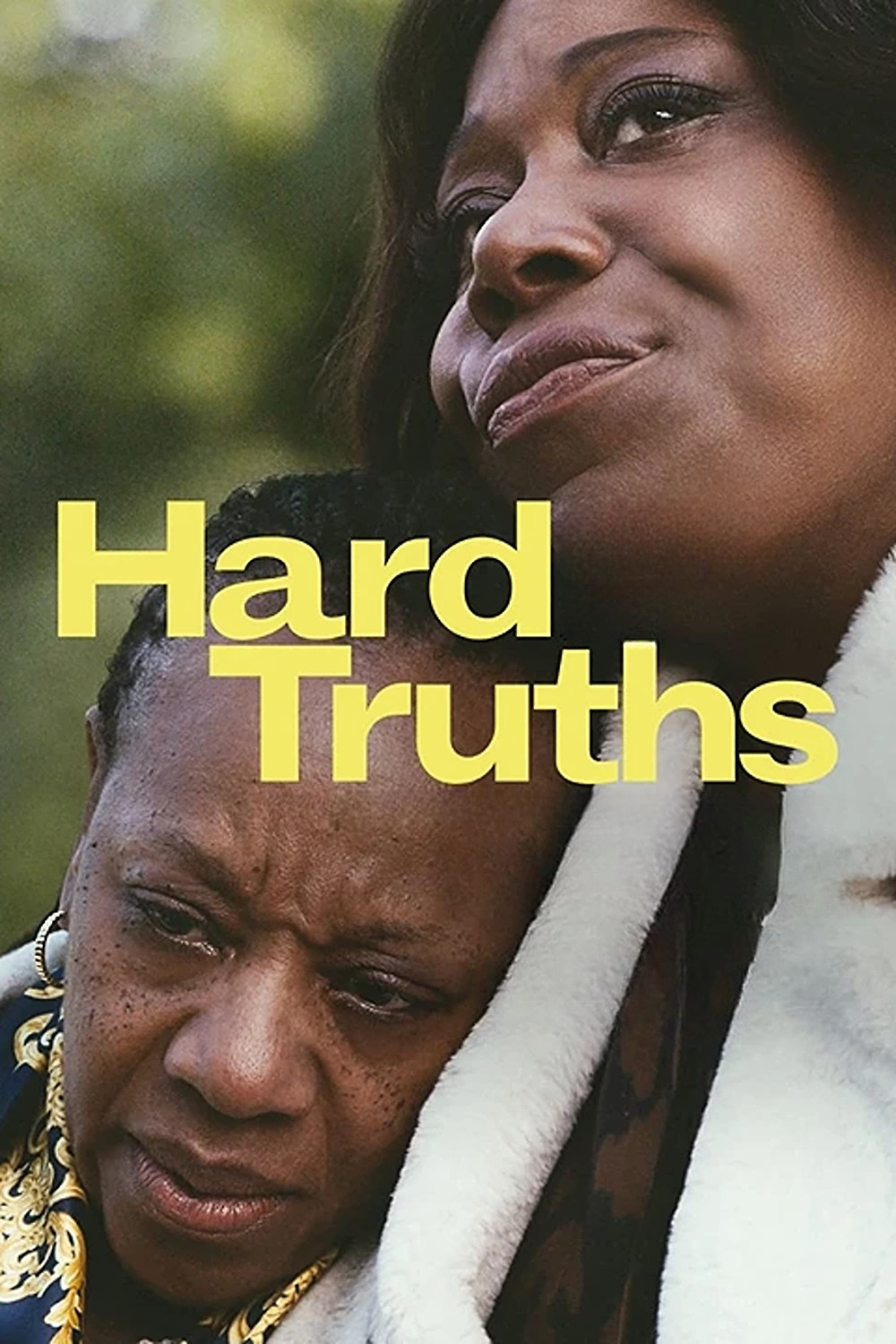
My Review of Hard Truths (2025) directed by Mike Leigh

 British as this was, it may as well have been about my family. All of us have at least one relative like Pansy that complain all the time—whether warranted or not—about everything and everybody. They isolate and get isolated from folks and can't help being the authors of their loneliness.

The true heroine of the story is Chantelle (who could've been a character out of a Chekhov story), the sister of the main anti-heroine Pansy, who is the positive focal point of the family in this film. While Pansy's husband and son feel like prisoners (though the feeling is mutual on her part), Chantelle's daughters are way more positive in how they deal with life—even when things don't go their way. Chantelle is the one person who does not actively avoid Pansy despite getting treated the same (or even worst than) everyone else by her. It seems their mother Pearl played a big part in how each sister saw the world.

Marianne Jean-Baptiste acted the hell out of the lead role of Pansy! She was a human volcano either about to erupt or actively erupting on screen. Michele Austin got the easier assignment of playing the one normal human in the cast. I can't believe this is my first Mike Leigh movie as I swore I watched something else by him.

At the end, I can at least say that Pansy's son Moses got a happy ending if no one else did.


Friday, July 25, 2025

My Review of American Masters: Hannah Arendt: Facing Tyranny directed by Chana Gazit & Jeff Bieber

 This was an interesting doc on the famous scholar of tyranny and authoritarianism. I knew of her work on this, but also knew of her contradiction in endorsing authoritarianism in the United States with her support for Jim Crow laws in the American South (her views on feminism and human rights are also sketchy). The fact that she was driven out of Germany for the same reasons, but could easily defend American race laws has always put her at arms-length with me. Learning about her liberal zionist sentiments gave me insights to how she holds these different views—though it was unfortunate that the documentary did not cover the above controversial views that she held, the most it goes is the fallout over her coverage of the Eichmann trial. Certainly she was not the only Jewish refugee from Germany to hold such views, but it is disappointing that one who should know better felt so comfortable with the moral hypocrisy (and yet she could not understand how her idol Martin Heidegger could be an unrepentant Nazi). 

The documentary does not give a thorough outline of her opinions or works, but a rough, safe look at the most notable points of her life & career. I was surprised this documentary got made at all given the current crackdown on anything with US funding that criticizes totalitarianism, fascism, and the like. Arendt came to the USA as she thought it was the only free democratic multicultural country, but the Cold War and Red Scare showed her how easily the empire embraced totalitarianism. 

As surface level informative as this documentary is, it skips and glosses over too much for my taste.

Tuesday, June 24, 2025

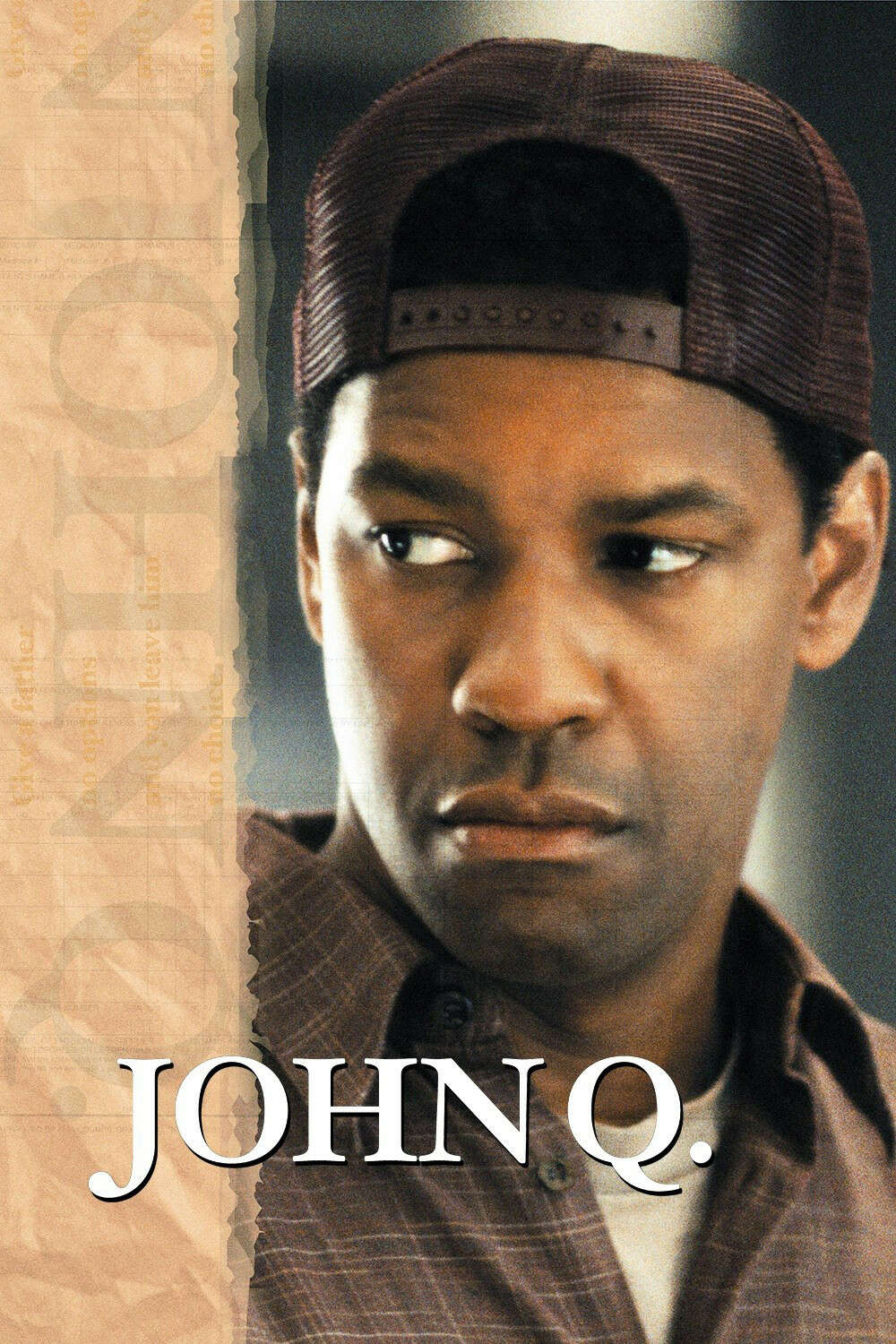
Thoughts on John Q (2002) directed by Nick Cassavetes starring Denzel Washington


Ever since I first heard the news of ol' Luigi Mangione, this film has stayed in my mind and so I decided to watch it again. It is amazing how even in a world after Obamacare that the United States lags so behind in the basics of healthcare. That Cuba, under one of the most destructive economic embargos this side of Gaza, still has a better healthcare apparatus than the United States is incredibly sad and depressing. I suppose that John Q and Luigi may have different political leanings, but they are celebrated folk heroes all the same. Their respective martyrdoms as much products of civil and political negligence and corruption as anything else. 

This movie may be one of the few I have seen where James Woods isn't the final boss villain. As corrupt as his character is as the fancy doctor, The hospital represented by the character Rebecca Payne and the health insurance company are the true villains of this film. The continuing inequality of healthcare in the USA is the true villain of this film. 

Ray Liotta as a cop will never not be jarring as he will always be Henry Hill to me😄

Thursday, June 19, 2025

Miss Juneteenth (2020) directed by Channing Godfrey Peoples

 "Sing a song full of the faith that the dark past has taught us,

Sing a song full of the hope that the present has brought us;

Facing the rising sun of our new day begun,

Let us march on 'til victory is won."


Well today is as appropriate as ever to finally watch this movie. I had been aware of it since it made its way to home release, but did not have the interest to watch it then as a lot was going on. This is ironic as a lot of folks did watch it for the very same reason. Channing Godfrey Peoples film was made on location in Fort Worth in August-September 2019 and had it's theatrical-run in January of 2020 with a planned home-release for Juneteenth of that year. And then events in the world took a turn that is stranger than fiction and suddenly for a brief moment folks were clamoring for a film about Juneteenth. This is an indie film about a relatively-young single-mom that wants to get her daughter out of the poverty of Forth Worth, Texas that she finds herself in and figures the annual Miss Juneteenth pageant and its promise of a full-ride scholarship to an HBCU is the best chance. The film's title is a clever misdirection as it is referring to a particular Miss Juneteenth—just not the one we are thinking of coming into the film. 

I really don't watch enough of these sort-of "quiet drama" films. It was refreshing to watch a film that, while dramatic (and almost melodramatic in the first third) ends with hope and victory. A victory that was shown to be very necessary over the course of the film. I loved all the supporting characters in this film who could've been my very neighbors in certain instances, but Nicole Beharie was the tour de force actress of this movie. While she never truly spirals into a broken-blob, you are fully convinced as her character's daughter is at how much Turquoise Jones wants Kai Jones to win the Miss Juneteenth pageant and we're all holding are breath until the very end as the protagonist as to come-up against so many challenges and sacrifices for this one little dream. When the ending play out, the hope one feels that things might start to turn around is palpable.

I guess this year saw me really needing to make sure I celebrate and commemorate this holiday in my own way, and not rely on others to do it for me. I am certainly happy I finally got a chance to watch this movie and I wish everyone reading this a Happy Juneteenth!

Friday, June 13, 2025

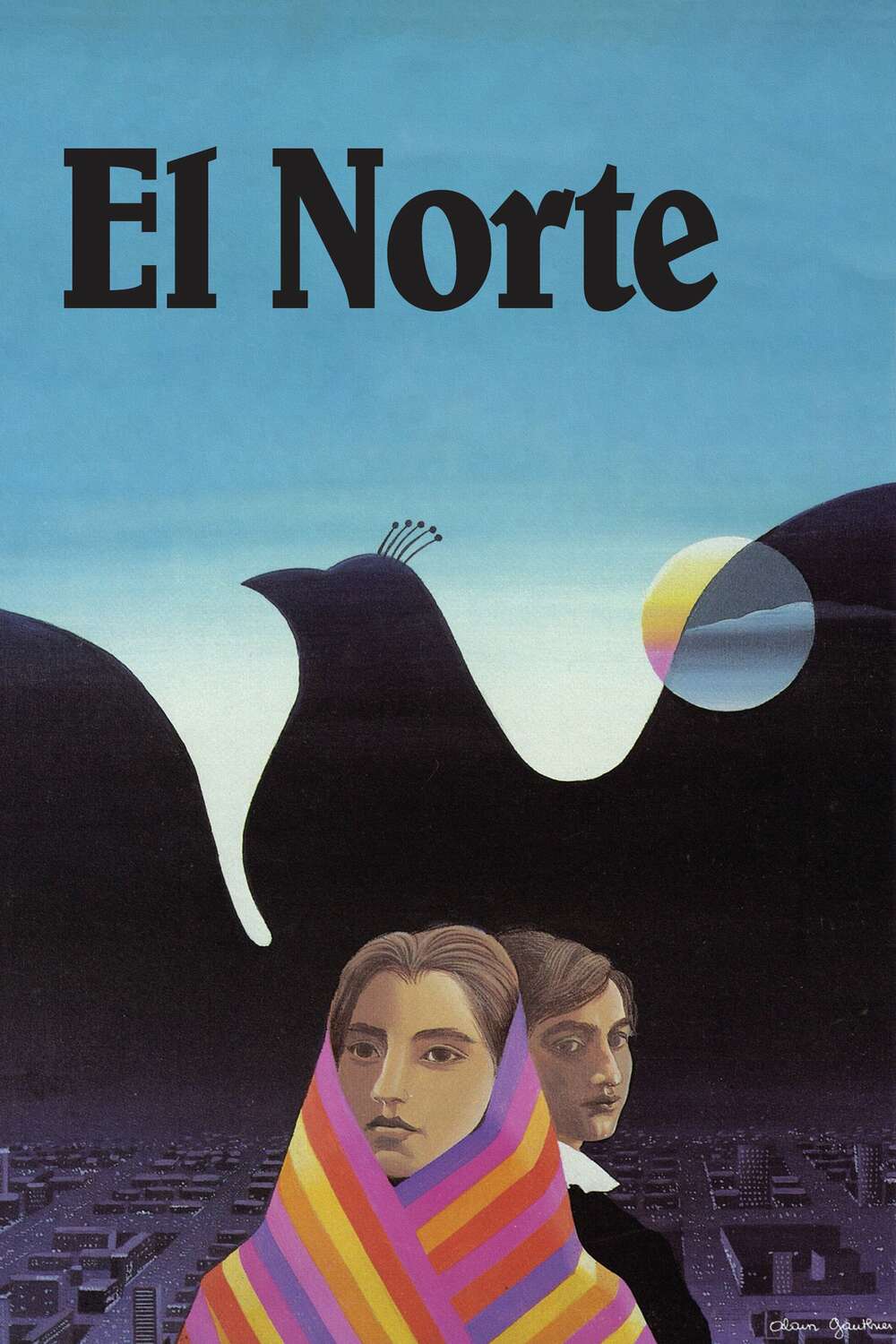
My Review of El Norte (1983) directed by Gregory Nava


 In the current times of genocide and migrant hysteria, I thought it was time to re-visit a film that deals with the United States government's role in both. El Norte is an epic film that is told about the trials and tribulations of two Kʼicheʼ Mayan siblings named Rosa and Enrique Xuncax caught up in the U. S.- backed genocide of the Mayan population in Guatemala that occurred during the Guatemalan Civil War and make their way through Mexico to the United States. This is a tough film to watch, but a necessary one to show truth and perseverance of humanity in dark and hopeless times. This is one of the first films to make extensive use of magical realism and one of the first films to use Samuel Barber's Adagio for Strings in its soundtrack.

I think this is the first narrative feature film to document a genocide while it was ongoing (and being funded by the United States). The first act of this three-act film looks at this Kʼicheʼ Mayan village called San Pedro as it is being destroyed during the Guatemalan Genocide. The daily life of the people living there and the their exploitation by wealthy planters is sown before we quickly see horrors of the genocide with magical realism playing a big role in telling the story of what is going on. It is ironic that some of the most beautiful imagery of the film is shown in this part. Because the actual place where the first act of the film takes place was undergoing the actual genocide, much of this film was shot in Southern California with some shots in Mexico until hostile locals and government agents of Mexico's then-PRI dictatorship forced the production out of Mexico. One benefit of moving production to Southern California was being able to use actual Mayan refugees as supporting cast and extras. The characters of Don Ramon and the mysterious twins represent Mayan deities to Enrique and Rosa, respectively in very interesting ways.

The second act details Rosa and Enrique's journey through Mexico to the United States and it is based on the story from Mayan folklore of the "hero twins" Hunahpú & Xbalanqué from the Mayan text Popol Vuh. They stay in an immigrant shanty town in the boarder city of Tijuana, Mexico which is directly south of San Diego, California. Though the siblings encounter various forms of anti-Indigenous prejudice in Mexico, it is not on the level of literal genocidal hate that they encountered in their own country (but this particular form of mestizo anti-Indigenous racism will remain a constant in this film and his something rarely highlighted in films about Latin America that are made for gringos). Luckily, there are also mestizos who help them—no matter how cynical they are about it. We see the first of that here when we meet a Mexican truck driver who takes them halfway through the country and we will see that again when we meet Don Ramon's friend who helps them get across the boarder. With all the horrors we witnessed in act one, it is here in act 2 that the most intense and dramatic scene in the movie takes place and we have the tunnel crawl from hell (I won't spoil it anymore than that, but it would have grave consequences for the remainder of the movie). One other thing two note is that many of the "coyotes" (the name for fixers and smugglers that help people across the boarder) and refugees we see in this part of the film are real and it adds a neorealism to this magical-realist film. If the film had ended here it would be the beautiful ending of many a Hollywood film of human perseverance, but Nava wants to make a film that shocks his audience into action not comfort them. 

In act 3 we are in Los Angeles, California. We now see Rosa and Enrique set-up in a motel for undocumented immigrants ran by a Mexican called Monte Bravo played by the late-Trinidad Silva (the second time he has played a critical supporting role in a movie about migrants). As the Xuncax siblings settle into life in Los Angeles, they take English classes and hustle from the ground-up. Rosa starts in a sweat shop and makes a friend who gets her a job in as a domestic after Immigration agents raid the sweat shop. Enrique works as a busboy until an envious Chicano co-worker calls immigration and he nearly gets caught. Meanwhile, Monte gets Enrique a job offer for good money in Chicago and Rosa's journey to across the boarder catches-up with her...

"To the rich, the peasant is just a pair of strong arms." That is said by Rosa & Enrique's father at the beginning of the film, and it is book ended at the end of the movie. The tragic tale of Rosa and Enrique is the modern Grapes of Wrath. It is a much more pessimistic film than that earlier film of migrant workers. In El Norte, the chances for good things to happen are available if people try to make the choice. It is tragic that while people do make good choices in regard to the Xuncax siblings, it's not enough. But I suppose the best the audience can do is think back to the end of act 2 when our protagonists emerge from the abandon tunnel and look out at the San Diego skyline with Mahler's 4th symphony playing in the background and take that one clear win in a movie about losses. Folks need that moment of victory to give them a reason to keep going. We certainly all need that now.

My short Review of ¡Alambrista! (1977) directed by Robert M. Young

[I wrote this on December 8, 2020]

 ¡Alambrista! was one of the first feature films to look at the issue of Mexicans crossing the border for work. This was the era before NAFTA, border walls and cages, but after the passage of the Immigration and Nationality Act of 1965. Even so, migrant workers trying to make money to send home or find a better life made this dangerous journey any way and Robert M. Young made this movie to document the life of one such person. Interestingly enough, and what some folks don't take into consideration, is that the main character is a migrant in the truest since of the word: he is on the run and on the hunt for any work he can get, but ultimately he ends up going back to Mexico voluntarily. The story of his time between crossing and re-crossing the border is the story here.

Saturday, June 7, 2025

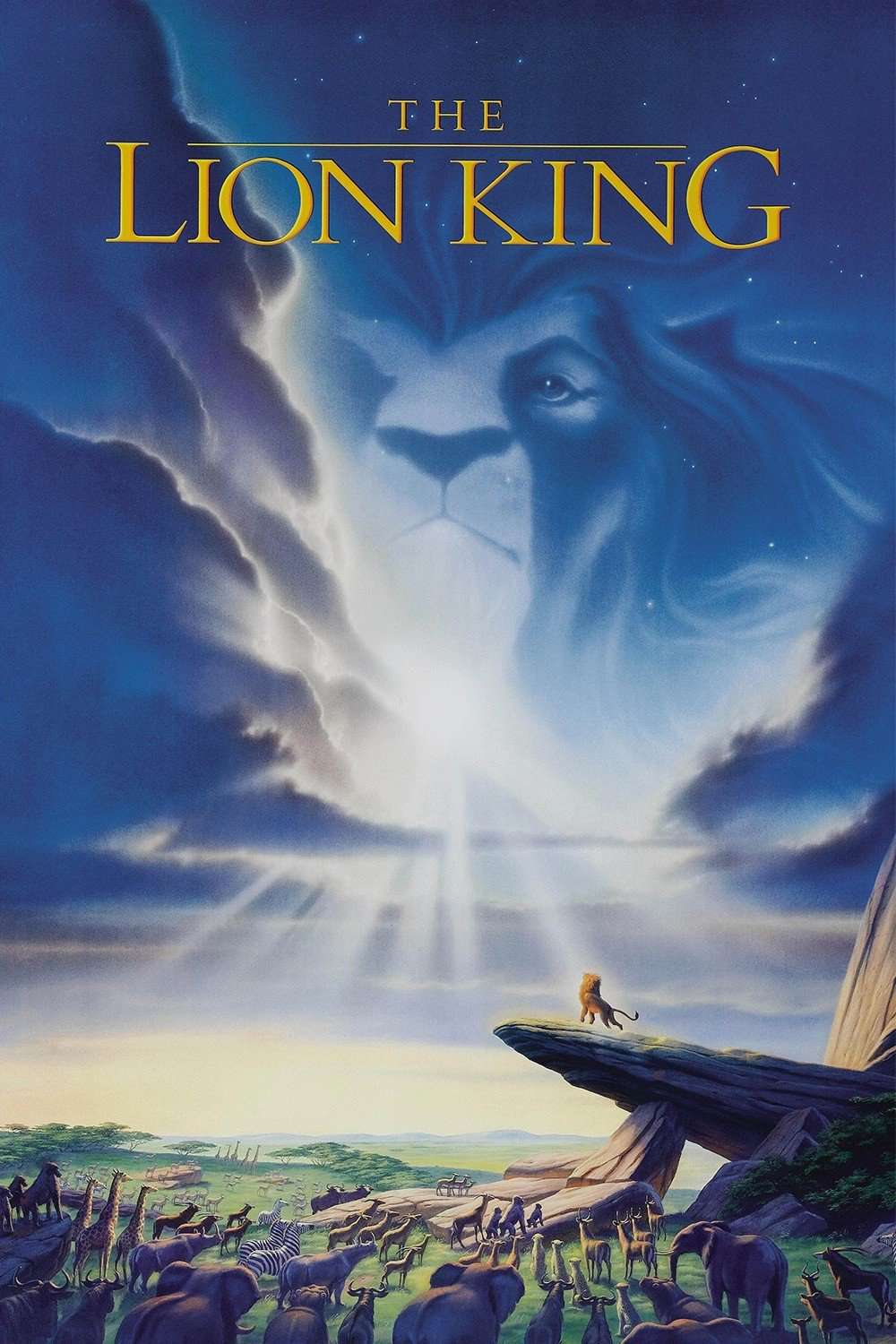
My Review of The Lion King (1994) directed by Rob Minkoff & Roger Allers

When I was 4 years old, the earliest film I remember seeing in the movie a movie theater was The Lion King, It was the Marlow Heights Community Theater and I went to the upstairs theater with my mom and we sat in the theater. I will always remember the stampede scene and how it felt to 4 year old me when the sound made the whole theater shake and I felt it and the impact of that never left me. It was the moment when the movies became real to me.

This movie came during the legendary Disney Renaissance and was pitched as Bambi in Africa. It merged Kimba the White Lion with Hamlet along with Pan-African and Biblical themes. It is three acts where we see the hero's journey of Simba as he goes from crown prince to prince-in-exile, to finally defeating his evil uncle and earning his father's inheritance. The music here is some of Disney's most memorable and Timon & Pumbaa would become the breakout characters getting their own tv show and a spin-off movie re-telling the events of this film from their points-of-view a la Rosencrantz & Guildenstern Are Dead. The KiSwahili phrase "hakuna matata" entered the English-language lexicon based on the song from this film. 

The voice acting in this film has to be the best assemblage of actors from this era. This is the defining James Earl Jones character for my generation (imagine how confused I was when I saw Coming To America (1988) and Star Wars for the first time). Jeremy Irons as Scar was as diabolical a sounding villain as you can imagine. The hyenas were one of the more controversial features to the movies when they were initially introduced as they reminded certain folks of the crows from Dumbo, but you can't deny that Whoopi Goldberg, Cheech Marin, and Jim Cummings brought their A-game as henchmen. Nathan Lane and Ernie Sabella as Timon & Pumbaa are again the breakout stars of the movie. 

I can't think of anymore to say than that this has been the only Disney Renaissance movie that I still come back to 31 years later. It is a defining part of my experience as a cinephile as it is for me the defining origin point of my relationship with cinema. 


Thursday, June 5, 2025

My Review of Purple Rain (1984) directed by Albert Magnoli, music by Prince

 Few films have been so lifted by their music like this classic. Yes, I said classic. Possibly the greatest movie soundtrack of all time was accompanied by a film that would've bombed without it. Prince's musical magnum opus and his his most watchable narrative film.

Let's just get the narrative plot stuff out the way first. While this is the best of Prince's narrative films and his second best music film after Sign "☮" the Times (1987), that ain't saying much in regards to the acting. This film confirms the timeless truth that actors are better at playing musicians than musicians are at acting in movies (most of the time). Nobody does any real acting here besides the professional actors playing Prince's parents (shoutout to the late great character actor Clarence Williams III) and Morris Day & Jerome Benton who were having a blast at playing the antagonists to Prince's character (very different from real life where Prince was their very strict boss). This is the only one of the major "Prince films" where Prince was not the director and that may contribute to the acting being relatively more passable than in subsequent films like Under the Cherry Moon (1986) and Graffiti Bridge (1990). While the locations in the film are real (besides the interior shots of Prince's parents' house), much of the movie is original/made-up. In real life: Prince's parents are both Black, he is not an only child and has multiple siblings, and most importantly—all the music that appears in the film, including the songs by Morris Day & The Time and the Apollonia 6 were written by Prince alone.

What makes this film so beloved is the music. The In-story had Prince's character be at war with Morris Day over top-billing at the First Avenue club in Minneapolis, yet the music for both The Time and The Revolution were written and mostly performed by Prince himself (with Morris Day singing lead on the final product for The Time). Prince's real-life rival at this time was that other Midwestern prodigy Michael Jackson. Both men were deeply inspired by James Brown. This film and album dropped a year after the hype over Thriller had stared to subside. 1984-85 would then be Prince's time to shine and shine he would. Much of the music for the film was recorded live in concert at First Avenue in 1983 while other songs had been recorded as early as 1981. The Revolution stands as the test of time as the best incarnation of Prince's bands and of the "Minneapolis Sound." As good as Prince's follow-up album Parade was, as a soundtrack it was not strong enough to have a similar effect on Under the Cherry Moon as Purple Rain's soundtrack had on its movie.

As we approach 41 years this July since its premiere and 67 years since his birth June 7th, I think this film will live on. It was, in the middle of the 1980s, a convergence of African-American, alternative/indie, and Minneapolis cultures. "According to legend," Prince had intended the song Purple Rain to be a county music song for Stevie Nicks, but she passed on it and Prince decided to start working on it and add more gospel, R&B, and rock elements to it made the masterpiece we know today. It is right that the movie's ending climax is the title song and two encores (with an ending "happily ever after montage playing over one) on stage and let the music be the send-off of the movie on a high note. 

That's how you stick a landing☔


Monday, June 2, 2025

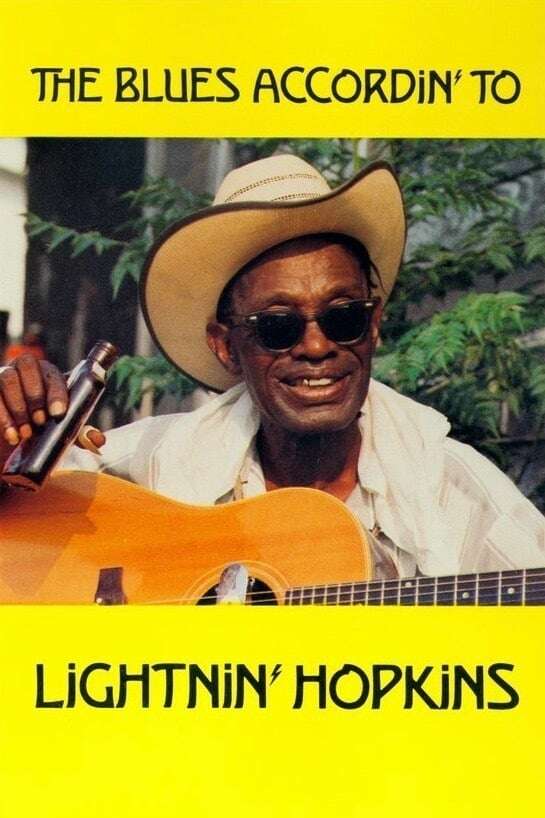
My Review of The Blues Accordin’ to Lightnin’ Hopkins directed by Les Blank (and Skip Gleason)

 I hate to be one of those "I liked X before it was popular"  hipster-types, but I really was into the Blues before Sinners (2025). I got into the Blues and Jazz after watching Ken Burns' Jazz documentary as a kid. It (and old-school music in general) has been a personal love of mine ever since. Of course, even in the early-2000s it was unusual for an African-American millennial to be into African-American folk music (which the Blues is), but it didn't bother me none. As it is, one of my favorite Blues musicians if Samuel "Lightnin'" Hopkins and this 30 minute Les Blank documentary is about him and the people of his neighborhood in Centerville, Texas. 

This documentary works on the classic "stream-of-consciousness" style of most of Les Blank's documentaries. We get introduced to the subject(s) of the doc and we just follow them around and let them show us what they want. In this case, Lighnin' Hopkins wanted to show his neighbors and some of his fellow musicians at a rodeo show and cookout where they would socialize and play some of their songs. While this doc is mainly about Hopkins—the breakout star would be Mance Liscomb who would get his own Les Blank documentary a few years later. The people are all quintessential Les Blank docu-subjects that you are use to seeing in his works. 

I glad that docs like this exist that just let the people show themselves as they wanted to be seen and I can't wait to watch more docs from him.


Friday, May 30, 2025

My Review of Basin Street Revue (1956) directed by Joseph Kohn

 I first watched this as a kid with my grandmother many years ago, and decided to give it a rewatch now. This was a very good variety show of multiple jazz and early R&B artists from the 1950. This was filmed at the Apollo Theater and the energy is classic of the venue. Among the music artists: Sarah Vaughan was obviously the highlight—though I did enjoy Amos Milburn’s performance as well. 

There were also non-music performances like the tap-dance performances and the vaudeville act of Nipsy Russell and Mantan Moreland (an act that was very common of the minstrel and vaudeville era). If you are interested in old-time entertainment then this is a good show to watch with some of the best artist from the generation change-over from jazz to R&B.

My Review of The Queen of Basketball (2021) directed by Ben Proudfoot

 With all the…”rage” over women’s basketball now, it can be easy to forget about the early days of women in the sport. Certainly in the pre-Title IX era when American women were given next to no support to participate in any kind of athletic competition. The late-Lucy Harris emerged as the dominate player in women’s basketball on the eve of Title IX and this documentary shined a light on her achievements and honored her before she passed away. It is a short documentary, but still a very good one and the best one I have seen produced by the NYT.

Sunday, May 25, 2025

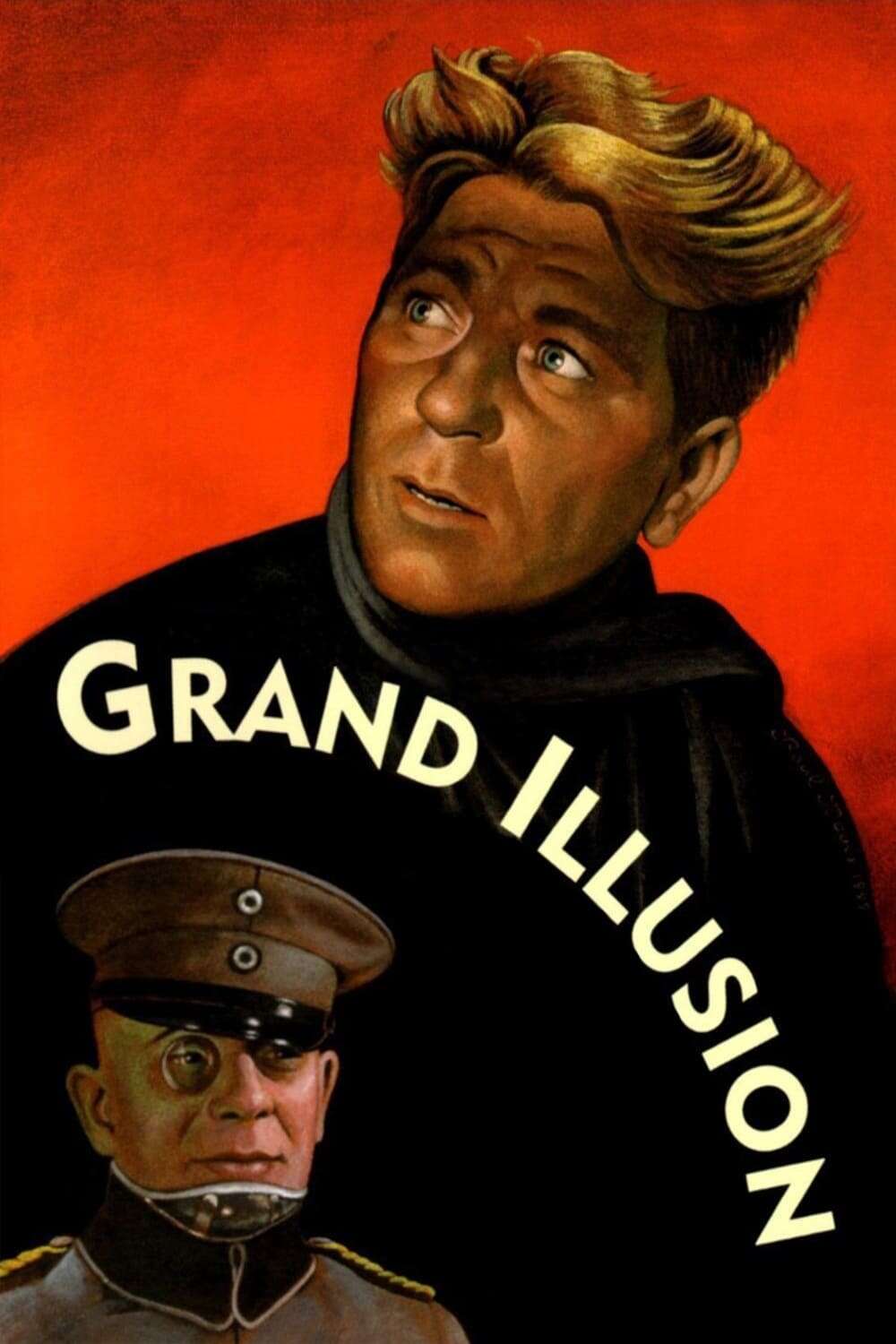
My Review of Grand Illusion (1937) directed by Jean Renoir


This film was Jean Renoir's first warning of the coming storm that was getting ready to be unleashed on the world (World War II). The film is about French prisoners of way being held (along with other Allied soldiers) during the First World War before the entry of the United States into the conflict. It details specifically a group of prisoners trying to escape. What the movie really does is capture Europe in transition between the old class-hierarchy of the 19th century and the new (and more nationally-motivated) class-structure of the 20th century (though even that had its beginning in the 19th century). While high-ranking officer POWs were treated almost like guest than enemy combatants, officers who were non-aristocrats or not as highly-ranked could expect no special treatment—though some are treated nicer by German guards who come from the same social-rank. 

While Renoir thought of WWI as "almost a gentlemen's war" and is very idealistic hopeful in this film overall, ho does not shy away from showing the class-stratification and casual bigotry of the soldiers. This is obvious in the treatment of the Jewish-French soldier Rosenthal who despite being from the French aristocracy, is still treated with casual antisemitism (one has to remember that WWI was barely a generation removed from the Dreyfus Affair (said Alfred Dreyfus would serve as an officer during the whole of WWI)). The treatment of the Colonial African-French officer is possibly worse as most of the other characters actively ignore him when he tries to talk to them. For all the talk of brotherhood by the prisoners, some barriers just ain't getting torn down. 

Jean Gabin does a great job in this movie to show why he was the white 1930s French equivalent of Denzel Washington and his character is every bit the hardness of the early 20th century as Eric von Stroheim's Prussian officer antagonist is of the 19th century and the old European aristocracy. While von Stroheim's politics were closer to Renoir's, the way he plays the head commander of the POW camps is an early proto-type of Christoph Waltz's character in Inglorious Bastards. The film's climax serves to emphasize the end of the prewar world and the beginning of the European interregnum. Many of the hopes that the soldiers had for peace would only last for 15 to 20 years. 

"War is a great illusion whose hopes are unfulfilled and promises never kept."

Friday, May 23, 2025

My Review of Festival (1967) directed by Murray Lerner


 This documentary/concert film marks the beginning of the era of Baby-Boomer concert film genre that ran into the mid-70s. This film shows the genesis of the popular image of the counterculture movement in the United States. It is based around the Newport Folk Festival between the years of 1963-1966. You have an assorted mix of Upper-Class New Englanders, Left-wing intellectuals, hipsters, and the beginning of the more drug-induced spin-off of the hipsters: the hippies. The editing of this film by Howard Alk points the way to the more extreme-styles of the Monterey Pop film of the following year, but we are not all the way there yet. It does give you a diverse, if uneven, sample of the music of the folk scene of the mid-1960s.

This may be one of the most diverse festival films—musically—of the era as you get not only "folk" music, but the Blues, Country, Bluegrass, Gospel, folk-rock and all the subgenres of those styles that were around at the time. I can appreciate that it had something for everyone and musicians who would not interact with each other anywhere else would meet at Newport, Rhode Island. Yes, a certain eccentric Minnesotan was the star attraction during this era in folk circles, but the film does try to balance him out and share equal time to performers who obvious were not as famous or worshipped. While this film can get lost after the concert films that came after it—it still is an interesting watch as a time capsule or as look at how much more political these functions were before the LSD started flowing.

Wednesday, May 21, 2025

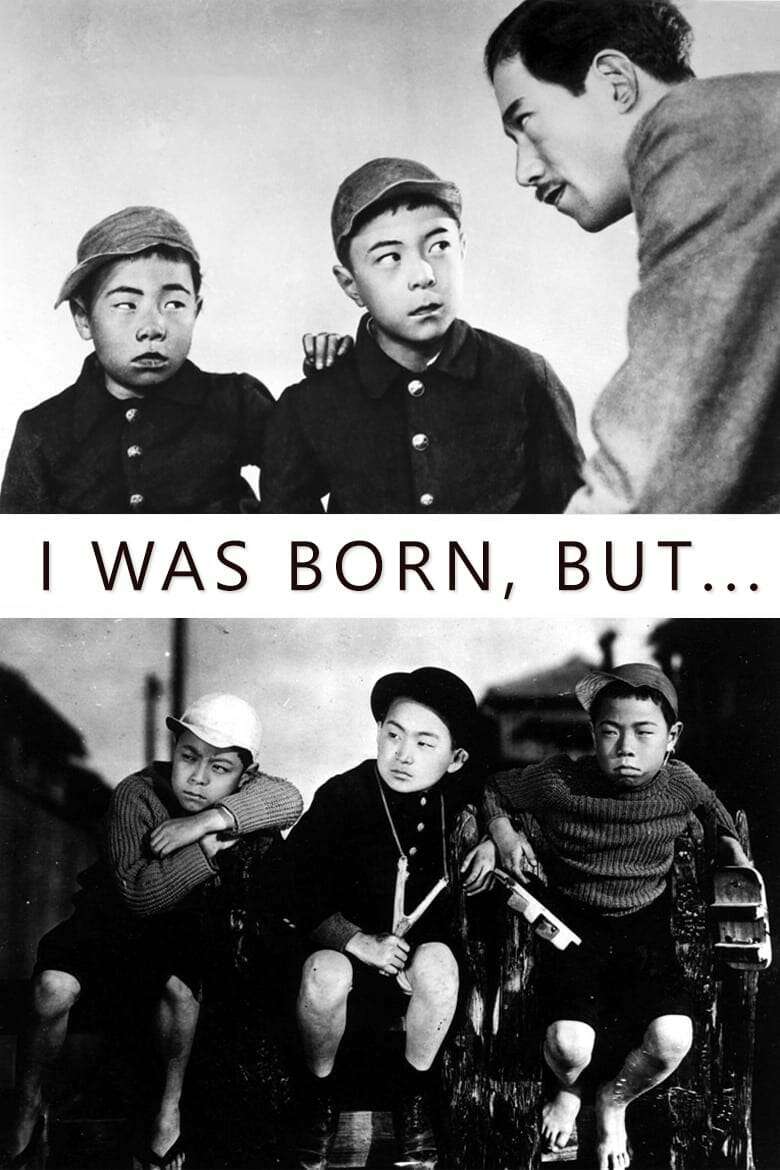
My Review of I Was Born, But...(1932) directed by Yasujiro Ozu


 The most celebrated of Ozu's prewar comedies and it is one of his most pessimistic films. Two boys move with their dad to a new neighborhood and as they make their way up the social ladder, they learn that their dad is a lacky for his boss—who just happens to be the father of one of their new friends who they are fighting for top dog status with. The first part of the movie is a silly comedy where the two brothers really use all the crazy boys-tricks to deal with a bully and climb up their elementary school social circle. The second half is the more dark, bittersweet part of the movie where the boys realize the true nature of their father's position in the company where he works and it wakes them up to how the world of adults work and how what their daddy says and what he does can be so different.

This has the beginning of a lot of the Ozu trademark shots. We do have a lot more tracking shots and not every shot is three feet above the ground, but it is certainly being refined. We don't have the full on shots of every person talking yet, but it is getting close. Young Mitsuko Yoshikawa as the mom is very fine-looking.

My Review of A Straightforward Boy (1929) directed by Yasujiro Ozu

This is a 14 minute excerpt of Ozu’s first of his kids comedy films. It is basically his adaptation of the short story The Ransom of Red Chief by O. Henry. It plays into what you expect of the screwball comedies of the era and looks very unlike an Ozu film as we think of them today.

Monday, May 19, 2025

My Review of Malcolm X (1992) directed by Spike Lee


 Happy 100th Birthday to Omaha, Nebraska's own El-Hajj Malik el-Shabazz, better known to the world as Malcolm X. Few figures have become so influential without being able to be co-opted by the establishment—though it is not because folks haven't tried. James Baldwin details in his book The Devil Finds Work how Hollywood tried to get him to write a watered-down screenplay for an aborted adaptation of X's autobiography which thankfully Baldwin pulled out of. In 1991 Hollywood tried to do another adaptation with Norman Jewison at the helm, but Spike Lee caught wind of this and was able to take control of the project and make the greatest biographical film of all time and possibly Denzel Washington's greatest starring role.

This movie saw the last team-up of Spike Lee and his legendary cinematographer Eric Dickerson and it is their crowning achievement. All of the Lee/Dickerson signature shots are here in top form and all set pieces are absolutely beautiful. Nearly the whole 40 Acers stable of actors & crew. Ruth E. Carter wardrobe design is so accurate that you would've thought she was there. We get supporting actors like Delroy Lindo who has been keeping busy in 2025 is shows that he has been an expert character actor for a long time. Angela Basset plays Betty Shabazz like she was born for the role. Hell, even Spike Lee does a good job and shows why he is the best acting-director. But obviously there is one actor who shines above the rest...

Denzel Washington was no rookie before this film and this not his first Spike Lee film, but I still don't think any role he has played has been better and more important than this. Honestly, I don't know who else could've rise to the occasion to play this role other than Malcolm X himself. Quite a few people have played Malcom X in movies and television since Denzel, but none get the role as dead-on accurate as he does. He said that he spent hundreds of hours listening to as many speeches and footage of Malcolm that was available and it shows. I don't know of anyone in a film biography more take on a role so completely as Denzel Washington did and he truly makes me forget that I am watching an actor whenever I watch this movie.

I don't know what else is there to be said. Spike Lee made the best biographical film adapted from the greatest autobiography ever written. It is a three-act epic of the life of a man who has influenced countless people (including myself) into a more in-depth pride of themselves and their Blackness. I don't know what else to say but to quote from Ossie Davis' eulogy of him: 

"Malcolm was our manhood, our living, black manhood! This was his meaning to his people. And, in honoring him, we honor the best in ourselves...However we may have differed with him – or with each other about him and his value as a man – let his going from us serve only to bring us together, now."

Sunday, May 18, 2025

My Review of Tokyo Story (1953) directed by Yasujiro Ozu


 When I tried to review Seven Samurai it was a nerve-wrecking undertaking because not only was it one of the greatest films of all time, but one of my personal top 5. While this is also a masterpiece film, I feel less pressure so I can critique a little easier. This film came early on in Ozu's legendary postwar run, but is rightly hailed as him at the height of his powers. He takes all the themes and feelings close to him and, with his top lieutenants Chishū Ryū and Setsuko Hara in top form (along with an incredible performance by Chieko Higashiyama), made his defining statement on life in modern Japan. I can't say it is a film I watch often, but it is one that sticks with you with its crushing sadness.

The generation conflict reaches its balance here. We get the look at both parents and children being mutually put-off by each other with the exception of the youngest daughter and war -widowed daughter-in-law. Besides them, all of the other kids come off as absolute villains. Of course, the father is also shown to not be a saint either (once again Chishū Ryū is playing a character way older than him). Hara as the daughter-in-law is a solider here—both for her in-laws in the movie and Ozu as an expert actress. Kyoko Kagawa (an actress who was an Akira Kurosawa/Kenji Mizoguchi main-stay) is used as the audience surrogate as the youngest daughter. She is the obvious future that this movie can maybe-optimistically point to.

Setsuko Hara in the foreground; Yasujiro Ozu at the far right.
I personally prefer the happier bittersweet film Early Summer (1951) when it comes to Ozu family dramas, but I can't deny the reason this is considered by the usual critics as one of the greatest films ever made. After watching The Only Son (1936) before re-watching this film and I am amazed at how much Ozu re-used some of the same locations shot-for-shot. Surprisingly, there is a panning shot in this film—though it is a short one as this movie has shaped what most people think of when they think about Ozu films. It is fairly melodramatic for an Ozu film, but it works in all the right ways. 

I doubt I will watch this film too many more times given how soul-crushing it is even when compared to other sad films, but I am glad to have watched it at least twice. 

Saturday, May 17, 2025

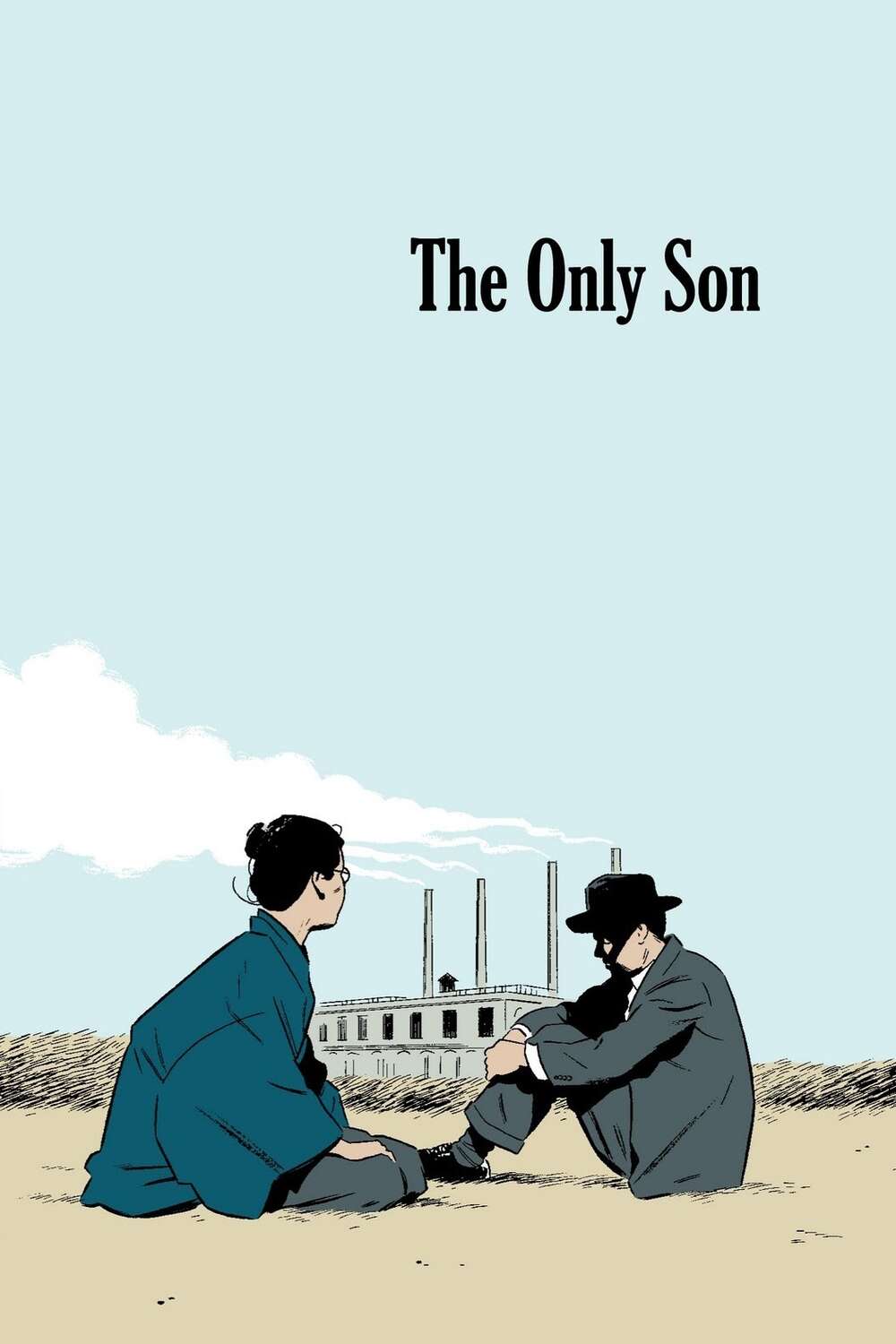
My Review of The Only Son (1936) directed by Yasujiro Ozu


 Ozu's first sound film is a look at a family on the brink following The Great Depression. Despite the end of feudalism and the beginning of capitalism (and imperialism) in Japan following the Meiji Restoration—not everyone benefited equally as the modern class structure replaced the feudal one. We follow a poor single mother working in a factory to provide for her son all the way to his adulthood and the trials that the two deal with over the course of the film.

While the film begins during the Taishō era (1923) in a country village in the middle of Japan, it quickly time-skips to 1935 Tokyo in the middle of the Great Depression. The son has moved to Tokyo and got a job as a school teacher, but the Depression wiped out his earnings just as he became a husband and father. When his mother decides to visit him in Tokyo, she is shocked and (he ashamed) to see him and his family living in the ghetto in destitution. We spend the rest of the film watching both mom and son try to make sense of it all.

Being that this is an early Ozu film, things are a bit different from his post-WWII films. Form-wise, not only do we get tracking shots, but a full on fantasy/dream sequence at one point. Theme-wise, the big issue causing the conflict is not postwar Westernization, but the Depression itself. A lot of the generational conflict in Ozu's prewar films after 1929 comes from the economic down-turn.

The main appeal of this film is that it is the rare Ozu family drama where it is an adult son who is the focus rather than a daughter or child-son. He never did this again after the success of Late Spring (1949), but in the prewar films we get to see Ozu experiment a little. While the ending here does foreshadow the ending of Late Spring—it is made even more pitiful in hindsight knowing that our characters would not have a peaceful future, but a bloody one to look forward to.

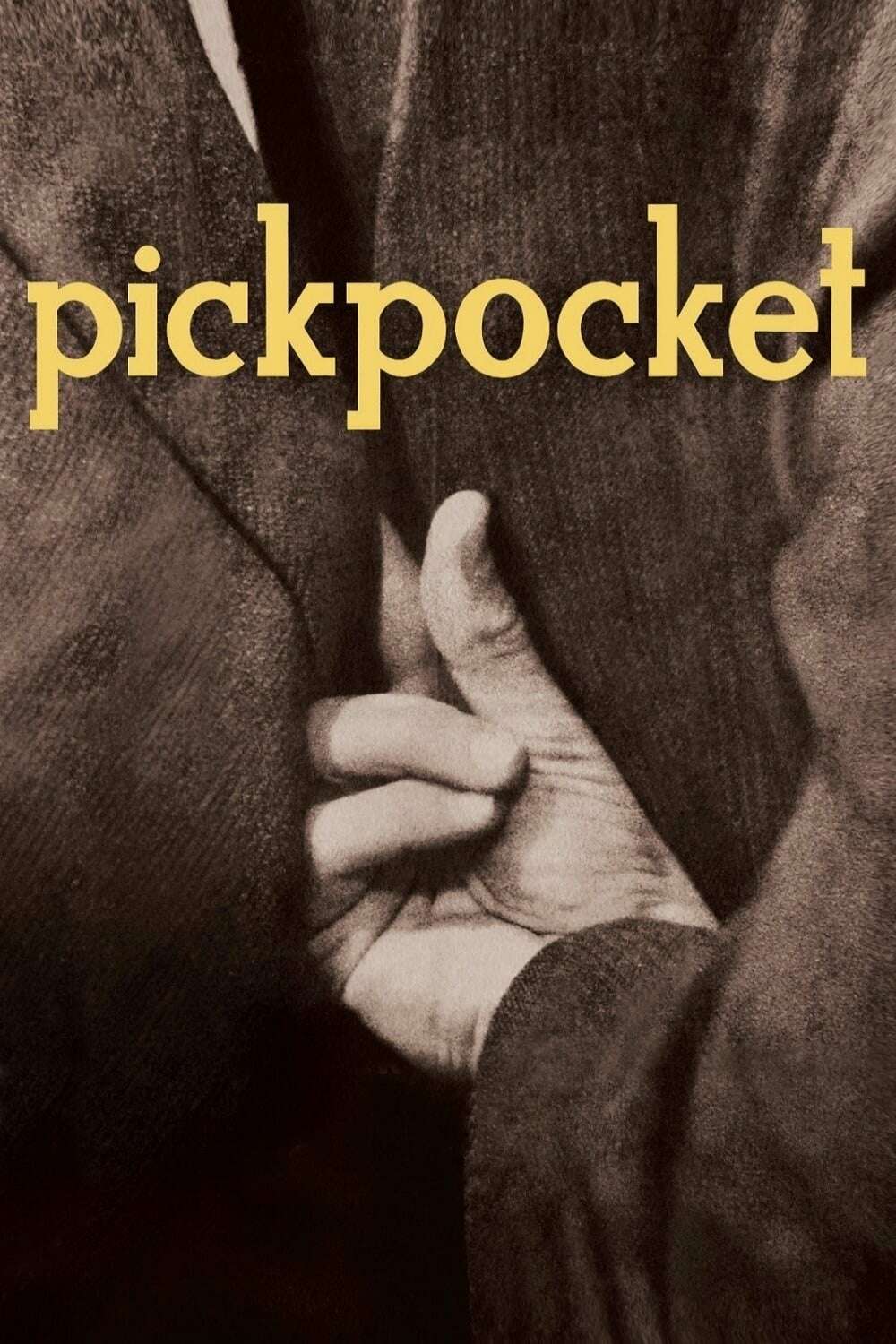
My Review of Pickpocket (1959) directed by Robert Bresson


 I read Crime and Punishment back in 2012, but have seen its influence pop-up everywhere. I recently re-watched Le Havre (2011) whose police officer is borrowed from C&P. Of course one of the most famous adaptations of the novel is Pickpocket (1959). The protagonist Michel is as much an edgelord as C&P's Raskolnikov, but with the trademark emotional detachment that of Robert Bresson's "models" (his term for actors). Michel's god-complex inspires him to become a pickpocketer. The antagonist here—like in C&P—is a detective whose character is a one-to-one adaptation of Dostoevsky's Porfirey and he is always a step ahead of Michel while trying to convince him to give-up his life of crime. Michel's love interest Jeanne is a marked improvement on C&P's Sonia as she can counterbalance Michel without trying to aggressively confront him and she makes up for Michel's lack of humanity. 

The cameo scene of the real-life pickpocket-turned-sleight-of-hand artist Henri Kassagi is my favorite part of the whole movie. Kassagi's character teaches Michel how to pickpocket more effectively and they later team-up with another accomplice to pull more daring pickpocket operations. This features half the background music in the entire film (another trademark of Bresson).

This is one of, if not the most critically acclaimed of Bresson's films and it really is him as he reached the height of his powers. It is the full introduction to 60s Bresson and is the lead-in for the French New Wave that would start right after this movie was released. While I still hold The Trial of Joan of Arc (1962) as my favorite Bresson film, this is still an incredible movie that influenced so many movies after it (and not just Paul Schrader's).

Friday, May 16, 2025

My Review of Through the Olive Trees (1994) directed by Abbas Kiarostami

 This is Abbas Kiarostami-ception reaching its peak as at one point we see the actor who played Kiarostami in And Life Goes On (1992) being directed by another actor who is playing "current" Kiarostami in Through The Olive Trees (1994), who are both being directed by the actual Kiarostami
(who makes a blink-and-you-miss-it cameo in the movie). This is some peak-Iranian New Wave. This movie is our finale of the Koker Trilogy and takes us behind the scenes of the interpersonal drama happening during the filming of And Life Goes On (1992).

This big contention is that two of the actors in one scene of ALGO were involved in a dispute where the guy—Hossein Rezai (what is it with Kiarostami and dudes named Hossein?)—wants to marry the girl—Taherah Landanian—playing his wife, but her family is firmly against it. This causes problems for for Kiarostami as she is ordered not to talk to Rezai and this brings filming to a halt. Such a story would be a sub-plot for in most films, but is the main thrust of this film. Hossein Rezai is a traicomic character in the style of that other Kiarostami-Hossein: Hossein Sabzain of Close Up (1990). While Sabzain's unrequited love was cinema itself, Rezai's unrequited love is Tahereh who is a bit naïve and vain and not average from what we see of her—yet Rezai really keeps you rooting for him, however hopeless his quest feels The open-ended ending reinforces that it was the journey, not the destination, that this film is highlighting as we bring our journey through Koker, Iran to a close.

And touching back on that, through-out this film we have had Babak Ahmadpour and his brother as side characters. Babak starred in the first film of the Koker Trilogy and the search to find out if he was alive after the 1990 earthquake in Koker was the whole reason for the second film in the trilogy. After confirming that he is still alive in the first 15 minutes of this film, the overall-plot moves on from him rather seamlessly and you would not know how important he was to Kiarostami's canon if this was the only film in the trilogy you had watched. Life Goes On, indeed!