No better time than Juneteenth to re-watch this masterpiece. Think Los Angeles Story rather than Tokyo Story and it is a quiet storm! We see a slaughterhouse worker (the titular "killer of sheep") go about his job while slowly going insane in despair of how close to edge of poverty his family is living. This is the last generation that came to Los Angeles from the Deep South (likely Texas, Oklahoma, Louisiana, or Mississippi) and found ghettoization and alienation waiting for them. The vignettes of everyone living their and existing halfway between humanity and inhumanity is what the movie digs into. It's neorealism and surrealism combined and you hold your breath the whole time hoping Stan does not finally snap at the despair.
About Me
- B. P. Rinehart
- So far, I write about what ever holds my attention the most stubbornly. For the most part we're just doing reviews, but occasionally other things will pop-up as well.
Featured Post
Black Reconstruction by W. E. B. Du Bois
My first post here is of course a Goodreads review, but one of my favorite and the only one that won't show-up on the book's entry p...
Friday, June 19, 2026
The Killer of Sheep (1978) directed by Charles Burnett
No better time than Juneteenth to re-watch this masterpiece. Think Los Angeles Story rather than Tokyo Story and it is a quiet storm! We see a slaughterhouse worker (the titular "killer of sheep") go about his job while slowly going insane in despair of how close to edge of poverty his family is living. This is the last generation that came to Los Angeles from the Deep South (likely Texas, Oklahoma, Louisiana, or Mississippi) and found ghettoization and alienation waiting for them. The vignettes of everyone living their and existing halfway between humanity and inhumanity is what the movie digs into. It's neorealism and surrealism combined and you hold your breath the whole time hoping Stan does not finally snap at the despair.
Tuesday, July 29, 2025
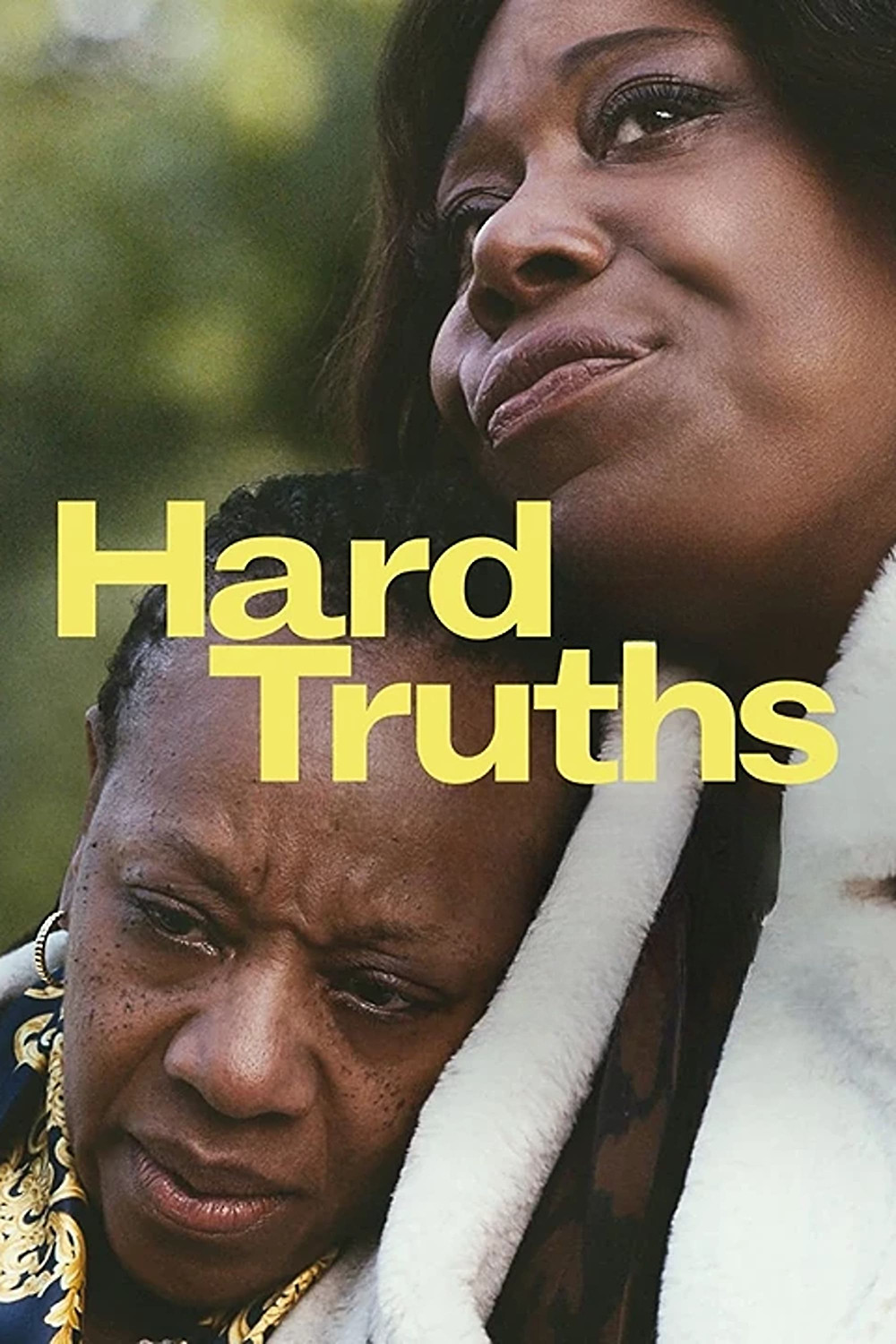
My Review of Hard Truths (2025) directed by Mike Leigh
The true heroine of the story is Chantelle (who could've been a character out of a Chekhov story), the sister of the main anti-heroine Pansy, who is the positive focal point of the family in this film. While Pansy's husband and son feel like prisoners (though the feeling is mutual on her part), Chantelle's daughters are way more positive in how they deal with life—even when things don't go their way. Chantelle is the one person who does not actively avoid Pansy despite getting treated the same (or even worst than) everyone else by her. It seems their mother Pearl played a big part in how each sister saw the world.
Marianne Jean-Baptiste acted the hell out of the lead role of Pansy! She was a human volcano either about to erupt or actively erupting on screen. Michele Austin got the easier assignment of playing the one normal human in the cast. I can't believe this is my first Mike Leigh movie as I swore I watched something else by him.
At the end, I can at least say that Pansy's son Moses got a happy ending if no one else did.
Friday, July 25, 2025
My Review of American Masters: Hannah Arendt: Facing Tyranny directed by Chana Gazit & Jeff Bieber
This was an interesting doc on the famous scholar of tyranny and authoritarianism. I knew of her work on this, but also knew of her contradiction in endorsing authoritarianism in the United States with her support for Jim Crow laws in the American South (her views on feminism and human rights are also sketchy). The fact that she was driven out of Germany for the same reasons, but could easily defend American race laws has always put her at arms-length with me. Learning about her liberal zionist sentiments gave me insights to how she holds these different views—though it was unfortunate that the documentary did not cover the above controversial views that she held, the most it goes is the fallout over her coverage of the Eichmann trial. Certainly she was not the only Jewish refugee from Germany to hold such views, but it is disappointing that one who should know better felt so comfortable with the moral hypocrisy (and yet she could not understand how her idol Martin Heidegger could be an unrepentant Nazi).
The documentary does not give a thorough outline of her opinions or works, but a rough, safe look at the most notable points of her life & career. I was surprised this documentary got made at all given the current crackdown on anything with US funding that criticizes totalitarianism, fascism, and the like. Arendt came to the USA as she thought it was the only free democratic multicultural country, but the Cold War and Red Scare showed her how easily the empire embraced totalitarianism.
As surface level informative as this documentary is, it skips and glosses over too much for my taste.
Saturday, July 19, 2025
My Goodreads Review of Demon Slayer: Kimetsu no Yaiba, Vol. 23 by Koyoharu Gotouge
Demon Slayer: Kimetsu no Yaiba, Vol. 23 by Koyoharu GotougeMy rating: 3 of 5 stars
Talk about a hard-fought, bitter-sweet ending! To no-one's surprise, Muzan was defeated. But he made good on his vow to destroy the Demon Slayer Corps―specifically the elite Hashira fighters. It wasn't until this last volume that I picked-up on the analogue between the Hashira and the Seven Samurai. While the core team of Tanjiro and company survived, I wish Koyoharu Gotouge didn't see fit to kill-off every likeable supporting character in the story just for the drama.
Given that this last volume was written at the beginning of the COVID-19 Pandemic, it may explain the somber, but hopeful tone of the ending and afterward. Also, I felt that the story and art clearly drops-off in this volume, especially after Muzan is finally dealt with. I felt that the author is alternatively rushing and packing in filler at the end, and does not really feel like dealing with the story after the goal is achieved. The ending is suppose to be hopeful/happy, but it becomes corny (again, I think Gotouge was exhausted dealing with this book and COVID at the same time so I am not totally unsympathetic). We could've had Muzan defeated and everyone just go their separate ways—the time-skip feels painfully forced.
For me, overall, Demon Slayer: Kimetsu no Yaiba has been an amazing manga (and anime until late).I think the final arc is the last to be adapted and hopefully they do a little better than the recent adaptation of Swordsmith Village arc (volumes 12-15) and the snails-pacing of the story (back-story has always been the Achilles Heel of this book and shonen as a whole).
View all my reviews
My Goodreads Review of Demon Slayer: Kimetsu no Yaiba, Vol. 22: The Wheel of Fate by Koyoharu Gotouge
Demon Slayer: Kimetsu no Yaiba, Vol. 22: The Wheel of Fate by Koyoharu GotougeMy rating: 4 of 5 stars
[I wrote this part after I had read the book on April 10, 2023, before I came back to Goodreads]
The penultimate volume of one of the greatest manga of all time. This is the first-half of the last battle against Muzan and it looks as bleak as ever for the surviving heroes, after Tamayo's death and Tanjiro is temporarily knocked-out by Muzan. Of course , Tanjiro recovers and they have to keep Muzan occupied for an hour until the sun comes out and kills him—the longest hour ever.
The dynamic art-style in this volume sees Koyoharu Gotouge operating at the height of his powers. Weirdly, we are still getting backstory this late in the game (this time for the Serpent Hashira Obanai Iguro and some more on the first demon slayer Yorichii).
[current note, January 2024]
I'm writing this having finished the series and I can say this volume and the preceding two volumes are the book at it's peak.
View all my reviews
Wednesday, July 16, 2025
My Goodreads Review of Demon Slayer: Kimetsu no Yaiba, Vol. 21: Ancient Memories
Demon Slayer: Kimetsu no Yaiba, Vol. 21: Ancient Memories by Koyoharu GotougeMy rating: 4 of 5 stars
This volume picks-up right where the last one left off. The most powerful Upper Moon demon is defeated, but he takes some crucial folks with him, and the ranks of the heroes are further thinned out...just in time for Muzan to break-out of Tamayo's hold and we lose her as well. Despite that the last Upper Moon Demon to die was actually No. 4 who was controlling the battlefield and she is used to push Muzan outdoors (as he can only be killed by sunlight), unfortunately it is still an hour and a half until dawn and given the casualty rate, it seems impossible for the Demon Slayers to hold out for that long. This is truly one of the great genre reads I've come across in the last few years and I can't wait to read the last volumes. Happy Halloween!
View all my reviews
Tuesday, July 15, 2025
My Goodreads Review of Demon Slayer: Kimetsu no Yaiba, Vol. 18: Assaulted by Memories by Koyoharu Gotouge
Demon Slayer: Kimetsu no Yaiba, Vol. 18: Assaulted by Memories by Koyoharu GotougeMy rating: 4 of 5 stars
This volume was a bit more heavy on plot-contrivances and back-story, but it was still really good on the art. One battle with one of the main antagonist-lieutenants finally comes to an end. This guy was one of the most notorious villains of the series besides the big bad since the end of the Demon Train-arc. Meanwhile, the most hated of the Upper Moon lieutenants since this final arc began is still giving one of the protagonists a hard time, but then my favorite of the protagonists and the best child shows-up ready to rumble. I hate that Gotouge had to concoct a contrived backstory between Inousuke and the demon to give some motivation to the heroes (this is a meta-problem with Demon Slayer that I may comment on further when I review the series as a whole for the last volume, but safe to say that the concept of "women in refrigerators" plot-laziness that was so well articulated by Gail Simone is in full-effect throughout this series—sometimes justified as a part of the world of the story, but often not). Besides that, this volume is still really good–if not as strong as the last volume–and I can't wait to read the next volume.
View all my reviews
Demon Slayer: Kimetsu no Yaiba, Vol. 19: Flapping Butterfly Wings by Koyoharu Gotouge
Demon Slayer: Kimetsu no Yaiba, Vol. 19: Flapping Butterfly Wings by Koyoharu GotougeMy rating: 5 of 5 stars
Need to start the year off right with a good manga. Well, with the Upper Moon 2 demon defeated by a very long gambit, it only leaves 2 more lieutenants before the big bad. Upper Moon 2 was truly the most purely evil of the Upper Moon demons, the narrative doesn't even give him a post-death woobie sympathy scene like with all the other demons. The Upper Moon 4 is controlling the actual setting of the battlefield and Upper Moon 1 is pretty-much Mike Tyson-ing every one who he goes against (view spoiler)[which is understandable since it is all but confirmed that he is the first Demon Slayer swordsman turned into a demon—he even uses Demon Slayer sword techniques aka "breathing" instead of blood-demon-art (hide spoiler)]. The last part of the manga has 4 different Demon Slayers (3 of them "hashira" aka Demon Slayer generals) trying to just put a dent in him while he is dog-walking them. We got until at least August 2021 until the last English translation wraps up and it will be wild from what I can guess. The art is as good as it has been since I have been reading the manga (the anime really excels in this department).
View all my reviews
Demon Slayer: Kimetsu no Yaiba, Vol. 20: The Path of Opening a Steadfast Heart by Koyoharu Gotouge
Demon Slayer: Kimetsu no Yaiba, Vol. 20: The Path of Opening a Steadfast Heart by Koyoharu GotougeMy rating: 5 of 5 stars
This is one of the best volumes of the book and Tanjiro & co. are not (really) in it. The battle with the Upper Moon 1 demon (view spoiler)[who turns out to be the second swordsman to use demon slaying techniques taught to him by his twin brother: the first demon slayer (hide spoiler)]. This volume is interesting because we learn just how long the big bad has been doing his thing and we learn the origin of the sword techniques of the demon slayers. The effort used to fight this guy was just amazing. I can't imagine what will happen next.
View all my reviews
Friday, July 4, 2025
My Wrap-Up of the 2025 Spring Anime Season
This season was on the short-side for me which is fine given all the anime I plan to watch for the Summer 2025 season). I did binge-watch these shows in the last week of June, so that may play a part in how I view these anime. Of the 7 I have completed (I dropped one that I had actually been curious about: Kowloon Generic Romance), I will give my Top 5 below and do a little sum-up on each:
- Aharen-san wa Hakarenai Season 2
- KonoSuba: God's Blessing on This Wonderful World! Season 3 OVA
- Lazarus
- A Ninja and an Assassin Under One Roof
- Fire Force Season 3
Thursday, June 26, 2025
2025 Mid-year Anime Watching Update
I have not done a post on any anime in a hot-minute, but I will try to bring folks up-to-date here. I tend to regularly choose between seasonal watching shows as they come out each week or binge watching a anime for a season if there is not a lot of shows I am interested in. In 2024, I think I spent most of the year watching shows as they came out from the spring season onwards (note: Anime seasonal airings are done within' the calendar year in the usual 3 month division with the winter season beginning in January). During 2024 I also was on an anime website and forum for the first time in 10 years to see what the online anime community looks like in 2024 and it was interesting how much more Zoomers are afraid of each other compared to the millennials of a decade ago. I had to leave the forum after I ran afoul of a moderator over my "controversial" take that the Endless Eight arc of season 2 The Melancholy of Haruhi Suzumiya was bad. They weren't fans of that take and nearly ran me off the site over it. I decided to go back to just using that site to track and went elsewhere. It was an interesting interacting with others over a hobby, but in that case it was not meant to be—though I had fun while it lasted.
I did a seasonal watch for winter 2025 and completed 9 anime. Of those 9, my top 6 were:
- Season 2 of The 100 Girlfriends Who Really, Really, Really, Really, REALLY Love You
- This one is sort-of cheating, but I will list Blue Box even though it technically is a Fall 2024 anime, but it ran between years because it was 25 episodes.
- This is a three-way tie between Flower and Asura, Honey Lemon Soda, and Re;Zero season 3
- I Have A Crush at Work
Tuesday, June 24, 2025
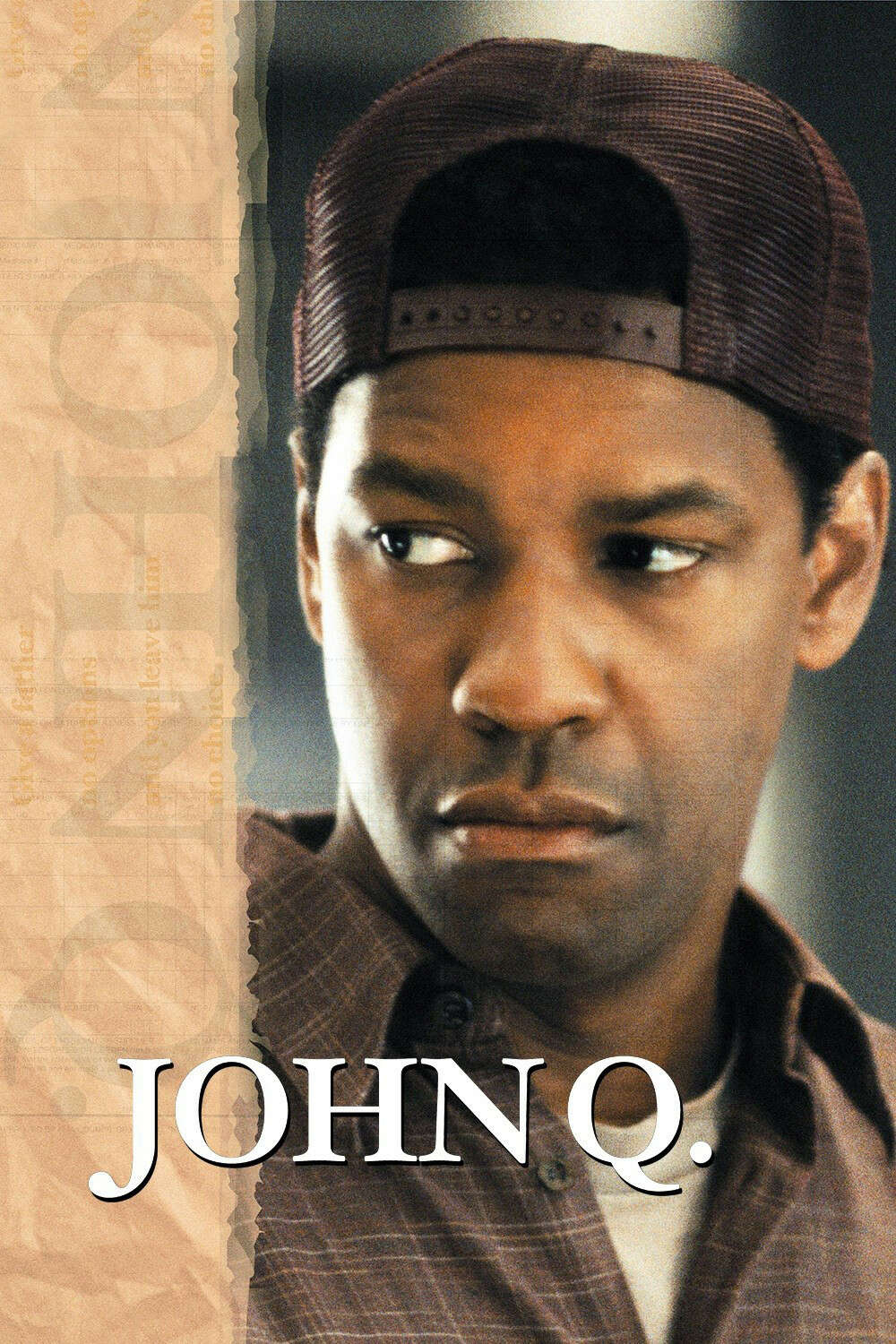
Thoughts on John Q (2002) directed by Nick Cassavetes starring Denzel Washington
Ever since I first heard the news of ol' Luigi Mangione, this film has stayed in my mind and so I decided to watch it again. It is amazing how even in a world after Obamacare that the United States lags so behind in the basics of healthcare. That Cuba, under one of the most destructive economic embargos this side of Gaza, still has a better healthcare apparatus than the United States is incredibly sad and depressing. I suppose that John Q and Luigi may have different political leanings, but they are celebrated folk heroes all the same. Their respective martyrdoms as much products of civil and political negligence and corruption as anything else.
This movie may be one of the few I have seen where James Woods isn't the final boss villain. As corrupt as his character is as the fancy doctor, The hospital represented by the character Rebecca Payne and the health insurance company are the true villains of this film. The continuing inequality of healthcare in the USA is the true villain of this film.
Ray Liotta as a cop will never not be jarring as he will always be Henry Hill to me😄
Thursday, June 19, 2025
Miss Juneteenth (2020) directed by Channing Godfrey Peoples
"Sing a song full of the faith that the dark past has taught us,
Sing a song full of the hope that the present has brought us;
Facing the rising sun of our new day begun,
Let us march on 'til victory is won."
I really don't watch enough of these sort-of "quiet drama" films. It was refreshing to watch a film that, while dramatic (and almost melodramatic in the first third) ends with hope and victory. A victory that was shown to be very necessary over the course of the film. I loved all the supporting characters in this film who could've been my very neighbors in certain instances, but Nicole Beharie was the tour de force actress of this movie. While she never truly spirals into a broken-blob, you are fully convinced as her character's daughter is at how much Turquoise Jones wants Kai Jones to win the Miss Juneteenth pageant and we're all holding are breath until the very end as the protagonist as to come-up against so many challenges and sacrifices for this one little dream. When the ending play out, the hope one feels that things might start to turn around is palpable.
I guess this year saw me really needing to make sure I celebrate and commemorate this holiday in my own way, and not rely on others to do it for me. I am certainly happy I finally got a chance to watch this movie and I wish everyone reading this a Happy Juneteenth!
Friday, June 13, 2025
My Review of El Norte (1983) directed by Gregory Nava
In the current times of genocide and migrant hysteria, I thought it was time to re-visit a film that deals with the United States government's role in both. El Norte is an epic film that is told about the trials and tribulations of two Kʼicheʼ Mayan siblings named Rosa and Enrique Xuncax caught up in the U. S.- backed genocide of the Mayan population in Guatemala that occurred during the Guatemalan Civil War and make their way through Mexico to the United States. This is a tough film to watch, but a necessary one to show truth and perseverance of humanity in dark and hopeless times. This is one of the first films to make extensive use of magical realism and one of the first films to use Samuel Barber's Adagio for Strings in its soundtrack.
I think this is the first narrative feature film to document a genocide while it was ongoing (and being funded by the United States). The first act of this three-act film looks at this Kʼicheʼ Mayan village called San Pedro as it is being destroyed during the Guatemalan Genocide. The daily life of the people living there and the their exploitation by wealthy planters is sown before we quickly see horrors of the genocide with magical realism playing a big role in telling the story of what is going on. It is ironic that some of the most beautiful imagery of the film is shown in this part. Because the actual place where the first act of the film takes place was undergoing the actual genocide, much of this film was shot in Southern California with some shots in Mexico until hostile locals and government agents of Mexico's then-PRI dictatorship forced the production out of Mexico. One benefit of moving production to Southern California was being able to use actual Mayan refugees as supporting cast and extras. The characters of Don Ramon and the mysterious twins represent Mayan deities to Enrique and Rosa, respectively in very interesting ways.
The second act details Rosa and Enrique's journey through Mexico to the United States and it is based on the story from Mayan folklore of the "hero twins" Hunahpú & Xbalanqué from the Mayan text Popol Vuh. They stay in an immigrant shanty town in the boarder city of Tijuana, Mexico which is directly south of San Diego, California. Though the siblings encounter various forms of anti-Indigenous prejudice in Mexico, it is not on the level of literal genocidal hate that they encountered in their own country (but this particular form of mestizo anti-Indigenous racism will remain a constant in this film and his something rarely highlighted in films about Latin America that are made for gringos). Luckily, there are also mestizos who help them—no matter how cynical they are about it. We see the first of that here when we meet a Mexican truck driver who takes them halfway through the country and we will see that again when we meet Don Ramon's friend who helps them get across the boarder. With all the horrors we witnessed in act one, it is here in act 2 that the most intense and dramatic scene in the movie takes place and we have the tunnel crawl from hell (I won't spoil it anymore than that, but it would have grave consequences for the remainder of the movie). One other thing two note is that many of the "coyotes" (the name for fixers and smugglers that help people across the boarder) and refugees we see in this part of the film are real and it adds a neorealism to this magical-realist film. If the film had ended here it would be the beautiful ending of many a Hollywood film of human perseverance, but Nava wants to make a film that shocks his audience into action not comfort them.
In act 3 we are in Los Angeles, California. We now see Rosa and Enrique set-up in a motel for undocumented immigrants ran by a Mexican called Monte Bravo played by the late-Trinidad Silva (the second time he has played a critical supporting role in a movie about migrants). As the Xuncax siblings settle into life in Los Angeles, they take English classes and hustle from the ground-up. Rosa starts in a sweat shop and makes a friend who gets her a job in as a domestic after Immigration agents raid the sweat shop. Enrique works as a busboy until an envious Chicano co-worker calls immigration and he nearly gets caught. Meanwhile, Monte gets Enrique a job offer for good money in Chicago and Rosa's journey to across the boarder catches-up with her...
"To the rich, the peasant is just a pair of strong arms." That is said by Rosa & Enrique's father at the beginning of the film, and it is book ended at the end of the movie. The tragic tale of Rosa and Enrique is the modern Grapes of Wrath. It is a much more pessimistic film than that earlier film of migrant workers. In El Norte, the chances for good things to happen are available if people try to make the choice. It is tragic that while people do make good choices in regard to the Xuncax siblings, it's not enough. But I suppose the best the audience can do is think back to the end of act 2 when our protagonists emerge from the abandon tunnel and look out at the San Diego skyline with Mahler's 4th symphony playing in the background and take that one clear win in a movie about losses. Folks need that moment of victory to give them a reason to keep going. We certainly all need that now.
My short Review of ¡Alambrista! (1977) directed by Robert M. Young
[I wrote this on December 8, 2020]
¡Alambrista! was one of the first feature films to look at the issue of Mexicans crossing the border for work. This was the era before NAFTA, border walls and cages, but after the passage of the Immigration and Nationality Act of 1965. Even so, migrant workers trying to make money to send home or find a better life made this dangerous journey any way and Robert M. Young made this movie to document the life of one such person. Interestingly enough, and what some folks don't take into consideration, is that the main character is a migrant in the truest since of the word: he is on the run and on the hunt for any work he can get, but ultimately he ends up going back to Mexico voluntarily. The story of his time between crossing and re-crossing the border is the story here.
Saturday, June 7, 2025
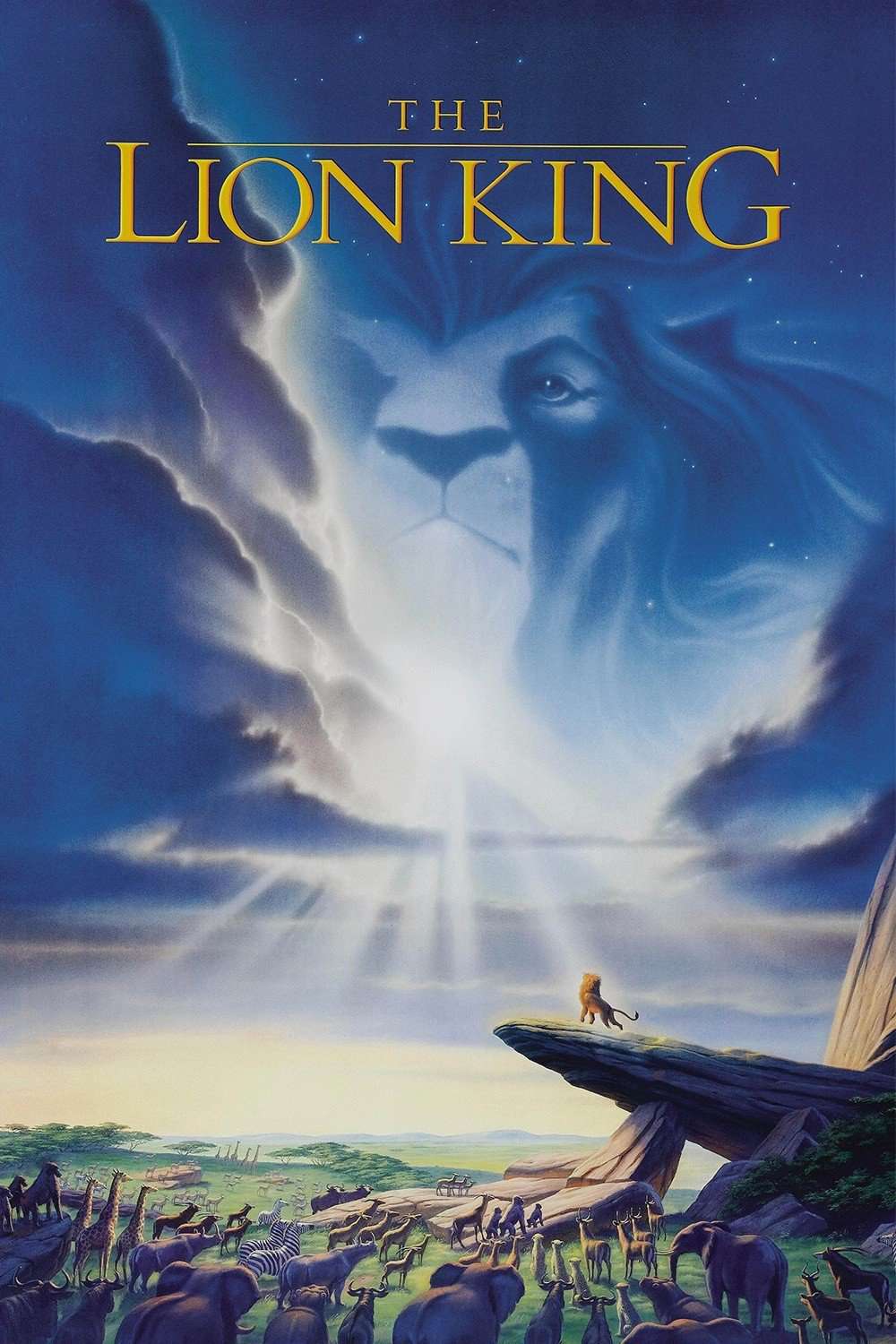
My Review of The Lion King (1994) directed by Rob Minkoff & Roger Allers
This movie came during the legendary Disney Renaissance and was pitched as Bambi in Africa. It merged Kimba the White Lion with Hamlet along with Pan-African and Biblical themes. It is three acts where we see the hero's journey of Simba as he goes from crown prince to prince-in-exile, to finally defeating his evil uncle and earning his father's inheritance. The music here is some of Disney's most memorable and Timon & Pumbaa would become the breakout characters getting their own tv show and a spin-off movie re-telling the events of this film from their points-of-view a la Rosencrantz & Guildenstern Are Dead. The KiSwahili phrase "hakuna matata" entered the English-language lexicon based on the song from this film.
The voice acting in this film has to be the best assemblage of actors from this era. This is the defining James Earl Jones character for my generation (imagine how confused I was when I saw Coming To America (1988) and Star Wars for the first time). Jeremy Irons as Scar was as diabolical a sounding villain as you can imagine. The hyenas were one of the more controversial features to the movies when they were initially introduced as they reminded certain folks of the crows from Dumbo, but you can't deny that Whoopi Goldberg, Cheech Marin, and Jim Cummings brought their A-game as henchmen. Nathan Lane and Ernie Sabella as Timon & Pumbaa are again the breakout stars of the movie.
I can't think of anymore to say than that this has been the only Disney Renaissance movie that I still come back to 31 years later. It is a defining part of my experience as a cinephile as it is for me the defining origin point of my relationship with cinema.
Friday, June 6, 2025
My Goodreads Review of Black Skin, White Masks by Franz Fanon
Black Skin, White Masks by Frantz FanonMy rating: 3 of 5 stars
"There are three intertwined themes in Fanon’s writing: a critique of ethnopsychiatry (which aimed to provide an account of the mental life, in sickness and in health, of colonized peoples) and of the Eurocentrism of psychoanalysis; a dialogue with Negritude, then the dominant system of thought among black francophone intellectuals, in which he challenges its account of the mental life of black people; and the development of a political philosophy for decolonization that starts with an account of the psychological harm that colonialism had produced." - from the introduction by Kwame Anthony Appiah
So this was an interesting read. I don't read as much psychology as I do philosophy so the book is a bit of a change-up for me. This book is the landmark text to explain the effects that colonization has on the colonizer and the colonized. He is basing this from his experience as a Black Martinican in France and the people he treats and reads about as psychologist. The books reputation had long preceded it and I decided to give it a read this year to kick-off a series of reads that I plan to read. He speaks a lot in the royal "we", but is talking from his point-of-view and that of the people he reads around him. There is a lot to get through with this book and I am going to do my best to give my impressions, both good and bad.
Let me start with the good. I think this book really brought a lot of necessarily uncomfortable looks at the mind of white supremacy using psychoanalyses. I think he really does a good job in the first and most of the fourth chapter of the book in talking about this book. I like how he goes so hard in stating how absurd the approval of white people had in the life of Black Francophones.
All colonized people—in other words, people in whom an inferiority complex has taken root, whose local cultural originality has been committed to the grave—position themselves in relation to the civilizing language: i.e., the metropolitan culture. The more the colonized has assimilated the cultural values of the metropolis, the more he will have escaped the bush. The more he rejects his blackness and the bush, the whiter he will become. In the colonial army, and particularly in the regiments of Senegalese soldiers, the “native” officers are mainly interpreters. They serve to convey to their fellow soldiers the master’s orders, and they themselves enjoy a certain status.It is clear that while he is greatly influenced by people like W.E.B. Du Bois and his high school teacher Aimé Césaire (some of the best quotes of the book are from Césaire). But the three dominate men of this book are Jean-Paul Sartre, Sigmund Freud, and, while least referenced the most important and where I'll be tearing into him from, Richard Wright.
While I think this book takes-off well, when it gets in-flight the journey is shaky and I do not think it sticks the landing. The criticism of Black consciousness (in the form of the Négritude movement) is a key part of the book. Fanon is one of these "color-blind" leftist at the end of the day. He wants the post-racial society that so many folks foolishly triumphed after the election of Barack Obama. This is what really holds back the book for me (I will mention that yes, he does not do justice to Black women in this book and his zealous adherence to classical Freudian and Adlerian psychoanalyzes greatly influenced his views on homosexuality. Others have done much to cover his misogynoir and homophobia so I am focusing on the
I am an African-American, I am not a Martinican or French West Indian (who Fanon calls Antilleans in this book) or an Afro-French/Black Francophone at all. This book looks at a lot of different people, but it is focused on Black Francophones. The idea of the post-racial society is very seductive in the way that most idealistic schools of thought are. Alas, such is wasted on me and I may well be one of the scumbags that Fanon talks about. I agree with Fanon that using reductive-stereotypes against an antagonist is unrealistic, but I think that Fanon does risk over-correcting in order to create a perfect Marxist-humanist utopia. There is a lot to criticize about different forms of cultural and historical movements. I think Fanon makes the same mistakes that James Baldwin criticizes Richard Wright for in Notes of a Native Son & Nobody Knows My Name. One can acknowledge that they are a man without having to justify it with the past, but having a past is still a good thing. Human rights are human rights, but we don't have to go and reject our past however noble or painful to justify are present.
This book was a lot, both interesting and frustrating in turns. I may add more to this review later, but this is what I have so far. Read this book, but read it critically! Fanon is not a saint, but a human being like you and me.
View all my reviews
Thursday, June 5, 2025
My Review of Purple Rain (1984) directed by Albert Magnoli, music by Prince
Let's just get the narrative plot stuff out the way first. While this is the best of Prince's narrative films and his second best music film after Sign "☮" the Times (1987), that ain't saying much in regards to the acting. This film confirms the timeless truth that actors are better at playing musicians than musicians are at acting in movies (most of the time). Nobody does any real acting here besides the professional actors playing Prince's parents (shoutout to the late great character actor Clarence Williams III) and Morris Day & Jerome Benton who were having a blast at playing the antagonists to Prince's character (very different from real life where Prince was their very strict boss). This is the only one of the major "Prince films" where Prince was not the director and that may contribute to the acting being relatively more passable than in subsequent films like Under the Cherry Moon (1986) and Graffiti Bridge (1990). While the locations in the film are real (besides the interior shots of Prince's parents' house), much of the movie is original/made-up. In real life: Prince's parents are both Black, he is not an only child and has multiple siblings, and most importantly—all the music that appears in the film, including the songs by Morris Day & The Time and the Apollonia 6 were written by Prince alone.
What makes this film so beloved is the music. The In-story had Prince's character be at war with Morris Day over top-billing at the First Avenue club in Minneapolis, yet the music for both The Time and The Revolution were written and mostly performed by Prince himself (with Morris Day singing lead on the final product for The Time). Prince's real-life rival at this time was that other Midwestern prodigy Michael Jackson. Both men were deeply inspired by James Brown. This film and album dropped a year after the hype over Thriller had stared to subside. 1984-85 would then be Prince's time to shine and shine he would. Much of the music for the film was recorded live in concert at First Avenue in 1983 while other songs had been recorded as early as 1981. The Revolution stands as the test of time as the best incarnation of Prince's bands and of the "Minneapolis Sound." As good as Prince's follow-up album Parade was, as a soundtrack it was not strong enough to have a similar effect on Under the Cherry Moon as Purple Rain's soundtrack had on its movie.
As we approach 41 years this July since its premiere and 67 years since his birth June 7th, I think this film will live on. It was, in the middle of the 1980s, a convergence of African-American, alternative/indie, and Minneapolis cultures. "According to legend," Prince had intended the song Purple Rain to be a county music song for Stevie Nicks, but she passed on it and Prince decided to start working on it and add more gospel, R&B, and rock elements to it made the masterpiece we know today. It is right that the movie's ending climax is the title song and two encores (with an ending "happily ever after montage playing over one) on stage and let the music be the send-off of the movie on a high note.
That's how you stick a landing☔
Monday, June 2, 2025
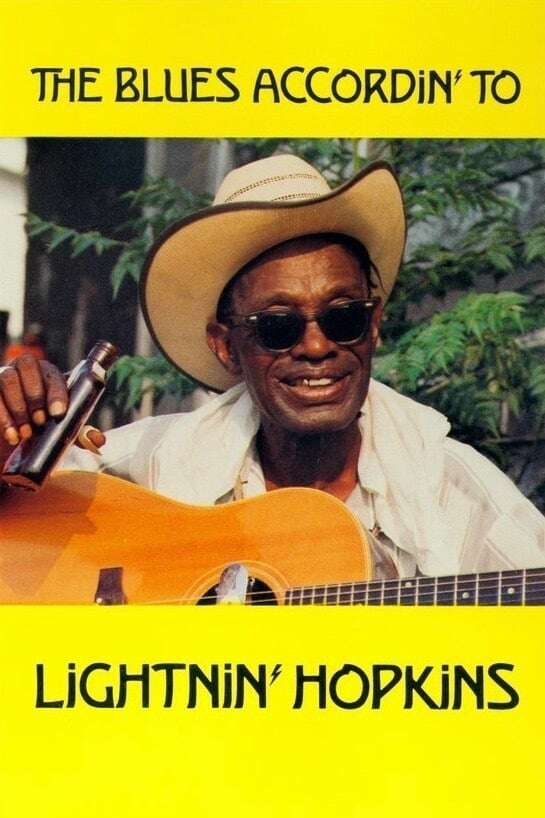
My Review of The Blues Accordin’ to Lightnin’ Hopkins directed by Les Blank (and Skip Gleason)
This documentary works on the classic "stream-of-consciousness" style of most of Les Blank's documentaries. We get introduced to the subject(s) of the doc and we just follow them around and let them show us what they want. In this case, Lighnin' Hopkins wanted to show his neighbors and some of his fellow musicians at a rodeo show and cookout where they would socialize and play some of their songs. While this doc is mainly about Hopkins—the breakout star would be Mance Liscomb who would get his own Les Blank documentary a few years later. The people are all quintessential Les Blank docu-subjects that you are use to seeing in his works.
I glad that docs like this exist that just let the people show themselves as they wanted to be seen and I can't wait to watch more docs from him.
Friday, May 30, 2025
My Review of Basin Street Revue (1956) directed by Joseph Kohn
I first watched this as a kid with my grandmother many years ago, and decided to give it a rewatch now. This was a very good variety show of multiple jazz and early R&B artists from the 1950. This was filmed at the Apollo Theater and the energy is classic of the venue. Among the music artists: Sarah Vaughan was obviously the highlight—though I did enjoy Amos Milburn’s performance as well.
There were also non-music performances like the tap-dance performances and the vaudeville act of Nipsy Russell and Mantan Moreland (an act that was very common of the minstrel and vaudeville era). If you are interested in old-time entertainment then this is a good show to watch with some of the best artist from the generation change-over from jazz to R&B.
-
In the current times of genocide and migrant hysteria, I thought it was time to re-visit a film that deals with the United States governmen...
-
My first post here is of course a Goodreads review, but one of my favorite and the only one that won't show-up on the book's entry p...
-
Happy New Years🎊 A lookback at what I was and was not reading in 2024: 2024 on Goodreads by Various My 2024 Year in Books Been wanting ...


.png)